Urban Insight report: Faster vehicles do not translate into shorter travel time
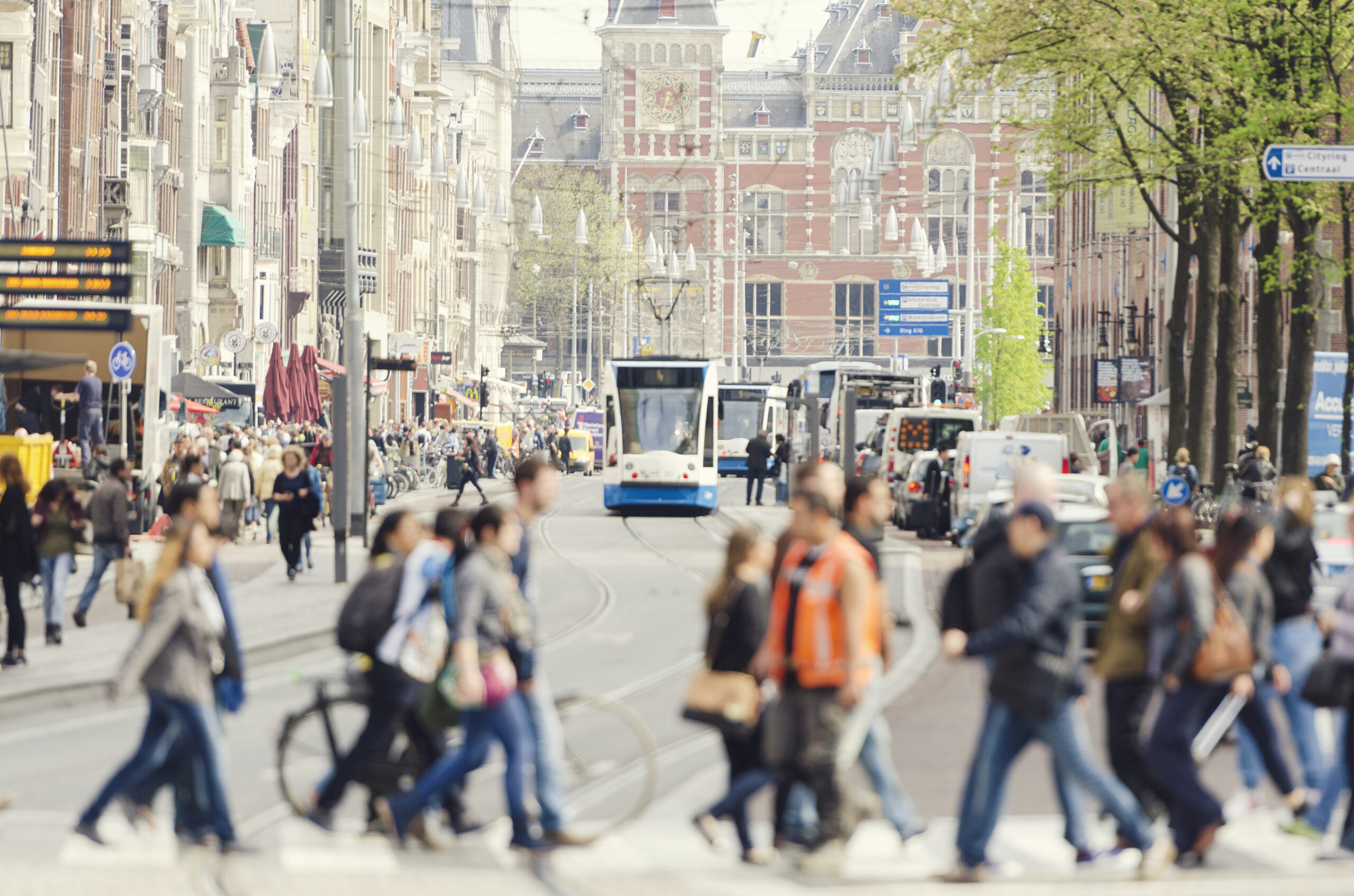
Although we have the means to travel faster than we did 100 years ago, our average daily travel time remains constant.
Over the past 200 years alone we have gone from walking, to horse riding, to train travel, to driving vehicles. But the time we allocate for everyday travel has not changed significantly. Through the 20th century, the daily distance travelled increased rapidly while travel time remained relatively constant at around 70–80 minutes. The Urban Insight report, Running to stand still – the role of travel time in transport planning, explores travel time and its relation to urban planning and city life.
Two cities can provide a different array of transport options and yet have the same distribution of travel time among their citizens. Thus, a city exclusively based on walking or public transport can offer the same access in everyday life as a city based on automobile travel. For instance, Lyon has a relatively high share of car trips and a low public transport share, whereas the transport system in Zürich is more structured around public transportation. Still citizens of the two cities spend a similar amount of time travelling.
“This phenomenon – the travel time budget – is sort of a universal law of travel, with implications for both urban and transport planning. Land use shapes travel and vice versa. Put differently, a city shapes its citizens just as much as citizens shape their city,” says David Lindelöw, transport planner at Sweco.
David Lindelöw believes that citizens should be treated as co-producers, as much as users, in urban development.
“I think we need to combine, and sometimes replace, traditional transport planning with the principle of proximity and accessibility. Tightening and building the cities more ‘inwards’ is a trend since quite a long time. By prioritizing proximity and accessibility, citizens can save time, and more people can use the city in their daily lives and not just in their spare time,” he says.
Background
Urban Insight is based on a series of insight reports written by Sweco experts. It is a long-term initiative with a different theme each year. The theme for 2018 is Urban Move, focusing on mobility and sustainable development of transports in Europe. Experts from across Sweco share their knowledge and insights focused on various aspects of urban development from a citizen perspective.
Get the report here: http://www.swecourbaninsight.com/urban-move/running-to-stand-still/
For more information about Urban Insight, visit: http://www.swecourbaninsight.com/
Attached information




Anna Elisabeth Olsson
Head of Press and Public Affairs