
How circularity builds industrial resilience
Boosting industrial stability with circular economy
Published on: September 24, 2026
In an era of climate disruption, supply shortages and volatile markets, resilience has become the defining measure of industrial success. Yet true resilience is not only about risk management, it’s about designing systems that can adapt, regenerate and thrive over time. Circularity lies at the heart of that transformation.
The circular economy is reshaping how industries think about materials, energy and growth. Instead of the traditional “take-make-dispose” model, circularity keeps resources in use for as long as possible, extracting maximum value before recovering and reusing them. It’s a shift from dependency to durability, offering both environmental and economic strength in uncertain times.
Gaining an edge through the circular economy
For decades, industrial progress has relied on a linear system that consumes resources and discards what’s left. The result is high emissions, high costs and growing vulnerability to raw material shortages. Circularity changes that by viewing waste as a valuable resource.
Across Europe, the benefits are already visible. The steel sector, one of the most carbon-intensive industries, now recycles around 80–85% of all steel. Modern electric arc furnaces transform scrap metal into new products with far lower energy demand. This model proves that circularity can dramatically reduce emissions while building economic stability.
”In Europe, and in other developed economies, where we already have a built-up material stock, circularity is extremely important. The higher the degree of material recycling and the higher the degree of energy recovery you can have, the less impact heavy industry makes,” says Björn Nykvist, researcher at SEI.
Other sectors are beginning to follow suit. Cement producers are reducing their reliance on virgin materials by using industrial by-products such as slag. Chemical and plastics manufacturers are investing in advanced recycling and recovery technologies that turn waste gases and polymers into feedstocks for new products. Each step strengthens supply chains and protects against fluctuating material and energy prices.
Circular systems also keep value within local economies. When materials are reused close to where they are produced, industries rely less on global trade routes that are often disrupted by conflict or climate events. This local resilience is becoming a competitive advantage as regions seek to secure sustainable manufacturing capacity.
Read more: Paving the way for a low-carbon steel industry
Designing for durability and circular resilience
Circularity is often seen as a route to efficiency but it is also a strategy for long-term strength. Designing products for reuse, repair and recycling ensures that industries can adapt when conditions change. This emphasis on long-lived, adaptable structures aligns with findings from Material Economics, whose analysis shows that extending product lifetimes and improving design for reuse are central to achieving the more than 50% emissions-reduction potential associated with circular economy strategies.
One of the most powerful tools is industrial symbiosis, where waste from one process becomes the resource for another. Heat, water or by-products shared between facilities reduce external dependencies and create mutual stability that is hard to achieve in linear systems. These interconnected networks turn formerly isolated operations into collaborative ecosystems that are more resilient to supply shocks and cost fluctuations.
Energy circularity is just as important. As industries electrify and renewables dominate power supply, capturing and reusing waste energy will help balance demand and cut costs. Factories that store renewable energy or adjust production to match supply demonstrate how flexibility underpins resilience.
Circular design also creates skilled employment. New roles in materials recovery, product repair and reverse logistics foster local innovation and economic inclusion. In this way, circularity supports not only environmental goals but social resilience too.
Read more: Sweco’s comprehensive approach to industrial symbiosis

The global race for circular resilience
Circularity cannot succeed in isolation. Industrial supply chains are global, and resilience must be shared. While many advanced economies are leading the transition, the rest of the world accounts for the majority of heavy industrial output. Expanding circular systems internationally is essential to achieve climate and economic security.
Developing nations have the advantage of building circular principles into their industries from the start. Investment in recycling infrastructure, renewable energy and green manufacturing can help them leapfrog older, wasteful systems. Global collaboration—through trade policies, technology sharing and harmonised standards—will ensure that circular progress benefits everyone.
A future built to last
Circularity is more than a sustainability goal, it’s the blueprint for a robust industrial future. By keeping resources in motion and reducing dependence on fragile supply chains, industries can become cleaner, stronger and more adaptable.
Resilient industries are those that can evolve without exhausting the planet’s resources. In closing the loop, they don’t just protect the environment—they secure their own long-term success. Circularity is, quite simply, the key to industrial resilience in the century ahead.
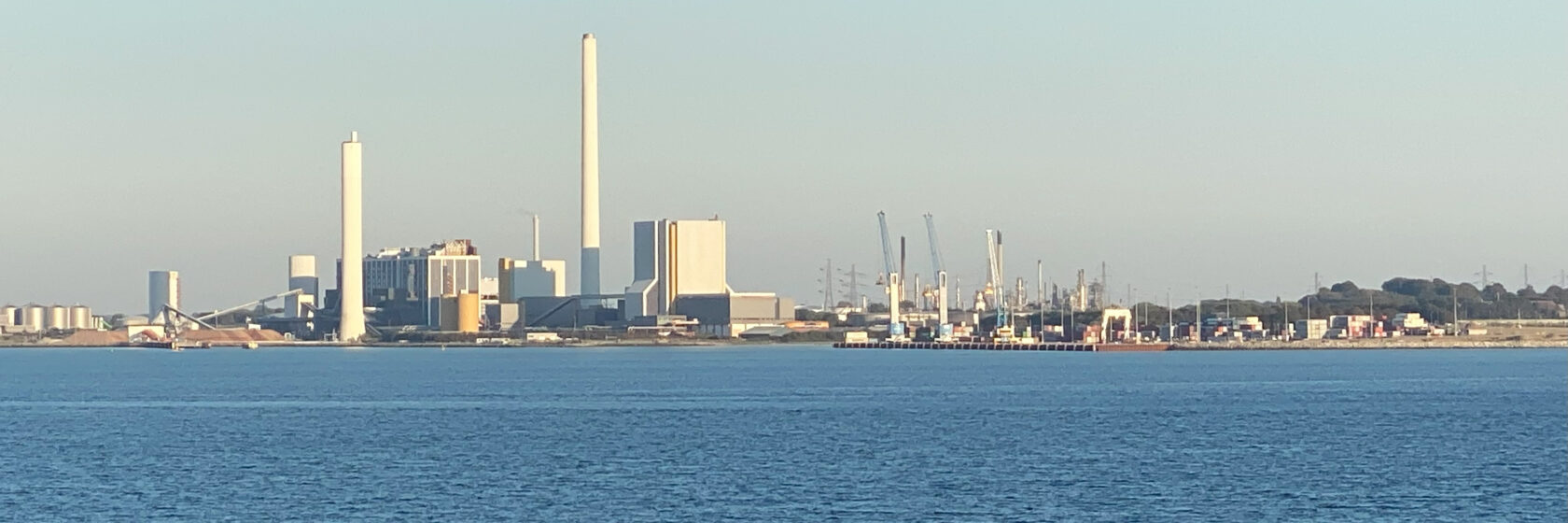
Urban Insight report: The race towards a green and resilient industrial sector

Insights from the IWA World Water Congress & Exhibition
Sweco joined water professionals from around the world at the IWA World Water Congress & Exhibition in Glasgow to explore how collaboration, innovation and smarter long-term investment can strengthen water resilience. Read more
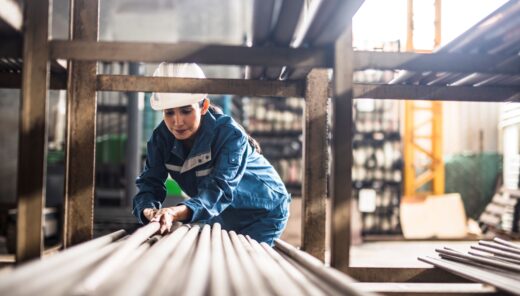
How circularity builds industrial resilience
Discover how circular economy principles strengthen industrial resilience, reduce waste and secure sustainable growth in a changing world. Read more

Meet Sweco at the IWA World Water Congress & Exhibition in Glasgow
Our experts will share our knowledge and showcase potential solutions for more resilient, secure and sustainable water systems. Read more
