Leading through the transition – a conversation on climate action beyond COP31
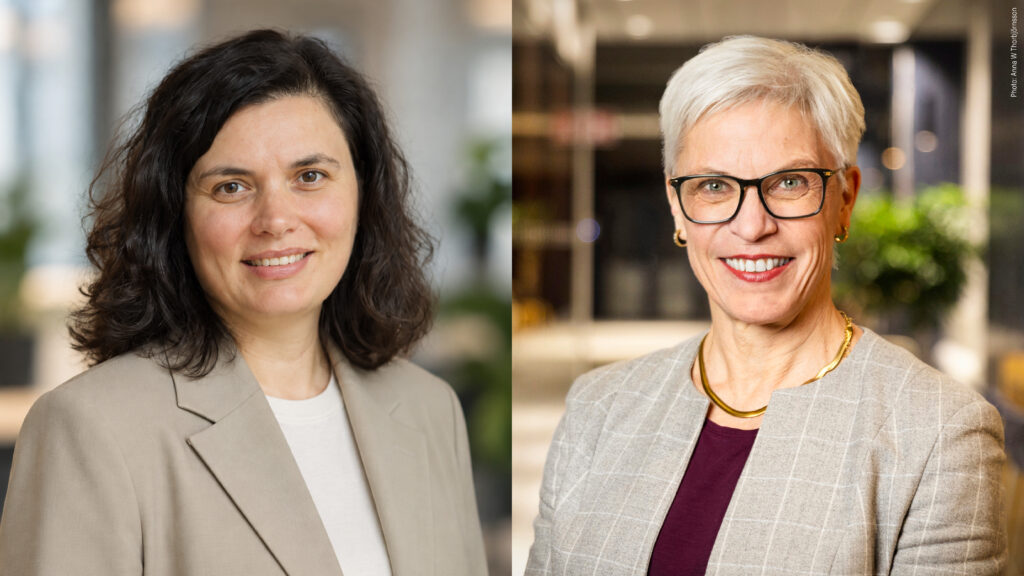
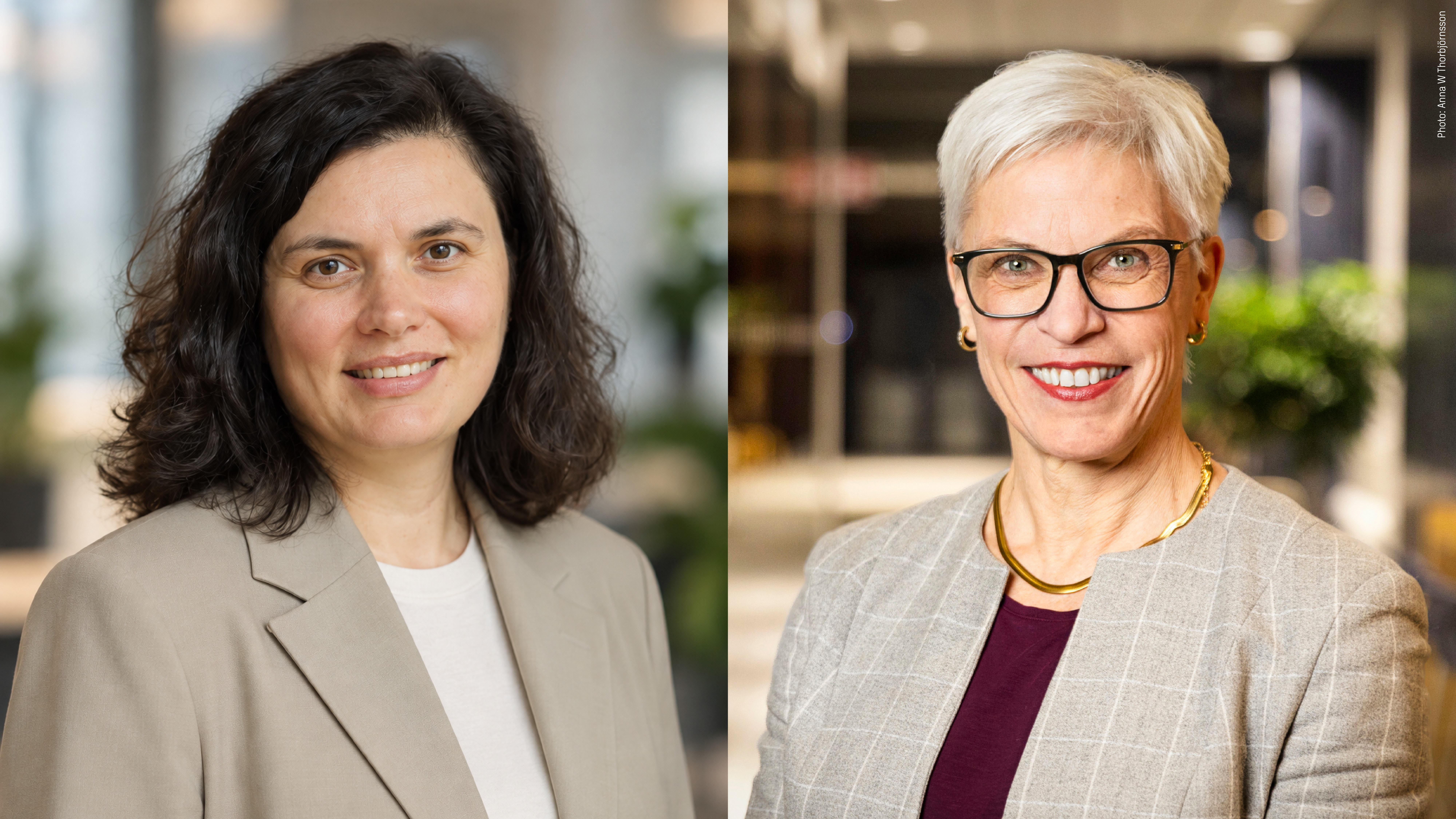
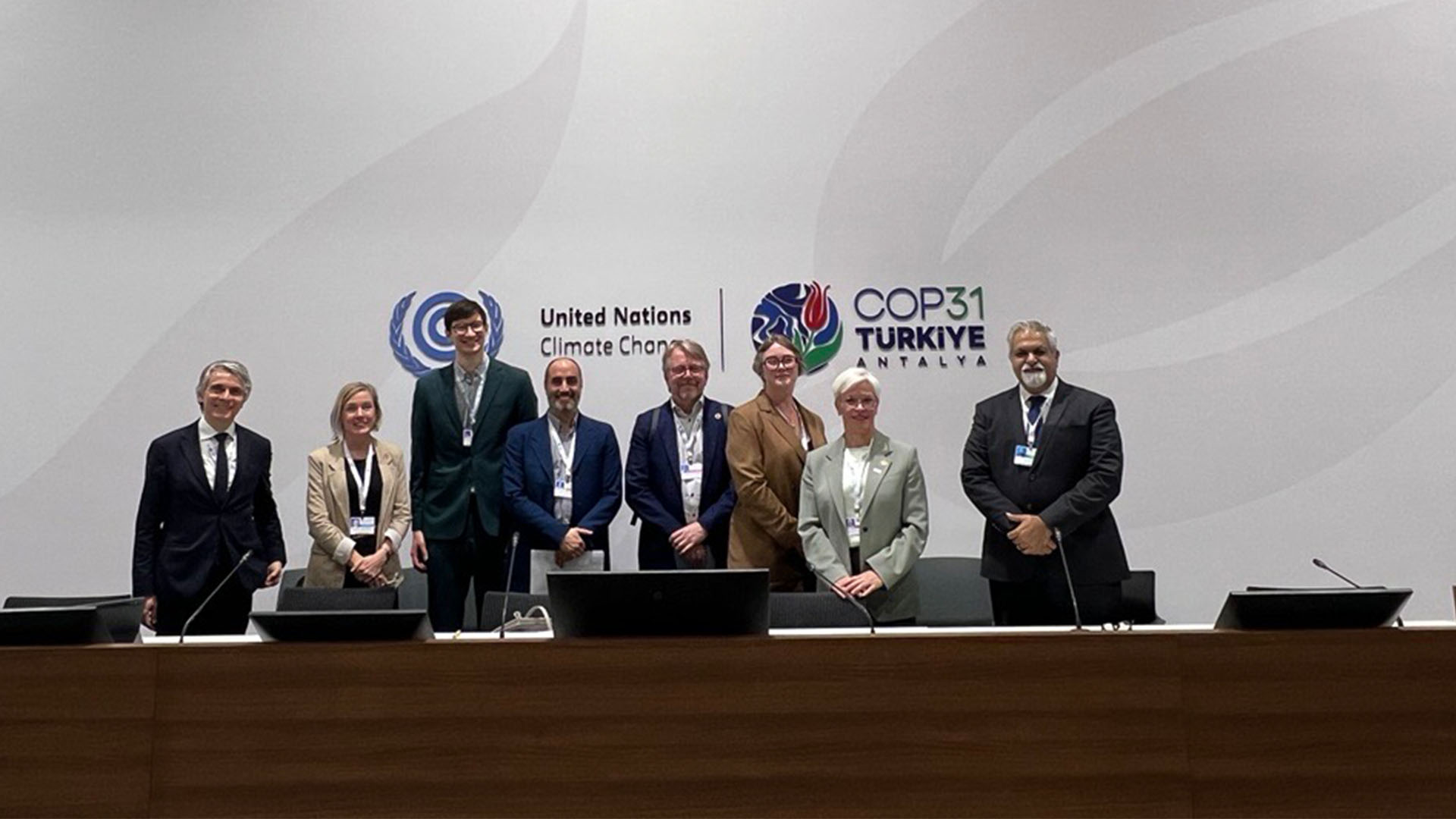
Monica Welander, Chief Sustainability Officer at Sweco Group and Tina Karlberg, Head of International Projects at Sweco Sweden. In 2025, Tina was appointed to the Board of FIDIC, the International Federation of Consulting Engineers.
At COP31 in Antalya, the international climate community gathered at a time of growing geopolitical uncertainty and increasing pressure to accelerate implementation. While negotiations struggled to reach consensus, discussions on financing, resilience and sustainable infrastructure highlighted the importance of climate leadership.
In this conversation, Monica Welander, Chief Sustainability Officer at Sweco Group, sits down with Tina Karlberg, Head of International Projects at Sweco Sweden and board member of the International Federation of Consulting Engineers (FIDIC), to discuss key takeaways from COP31, the future of climate-resilient infrastructure and the role of engineering consultancies in supporting sustainable development.
Monica Welander: Tina, you recently attended COP31 at FIDIC’s invitation as a member of its board. Looking back at the conference, what are your strongest impressions?
Tina Karlberg: COP31 was both encouraging and discouraging at the same time. On the one hand, you meet incredibly knowledgeable and committed people who are genuinely working to accelerate climate action. On the other hand, it remains clear that there are still strong interests seeking to slow down the transition, particularly around fossil fuels.
What struck me most was that climate action continues beyond formal negotiations. Countries, cities, businesses, financial institutions and international organisations are moving forward regardless of political developments at national level. That is an important reason for optimism.
Monica Welander: One of the key topics at COP31 was climate-resilient infrastructure. Tell us more about it.
Tina Karlberg: I participated in a FIDIC side event focused on the implementation of climate-resilient infrastructure together with representatives from local authorities, UN organisations and industry partners.
One key conclusion was that resilience must be approached from a systems perspective. It is not enough to build one resilient asset. The entire system needs to function under stress. A bridge is only useful if the roads, energy supply and communications infrastructure connected to it are equally resilient.
Resilience requires collaboration between policymakers, financiers, owners, operators and technical experts. It is also an area where engineering consultancies such as Sweco can make a significant contribution by helping clients implement resilient solutions.
Monica Welander: For me, one of the strongest messages emerging from COP31 was that resilience and decarbonisation are closely interconnected. How do you see Sweco contributing to this work internationally?
Tina Karlberg: The energy sector is a good example. Through projects focused on electrification, renewable energy, electricity grids and power systems, Sweco contributes both to reducing emissions and to strengthening societal resilience.
Beyond energy, we work in areas such as flood protection, dam safety, water and wastewater systems and urban planning. These projects help communities adapt to a changing climate while supporting long-term sustainable development.
Monica Welander: As a board member of FIDIC, you engage directly with the global engineering community. How is that engagement valuable for Sweco?
Tina Karlberg: FIDIC provides a global platform where the engineering and infrastructure sector can develop common standards, guidance and best practices. Its influence extends far beyond individual projects because it helps shape how the industry operates internationally. One example is the recently published report on Qualification-Based Procurement which makes the case for shifting procurement practices from a focus on lowest cost to greatest value.
Through partnerships such as FIDIC’s work with the Coalition for Disaster Resilient Infrastructure (CDRI), there is also a growing effort to mainstream resilience throughout infrastructure planning and delivery.
For Sweco, participation in these international networks creates opportunities both to learn and to influence. We contribute expertise while bringing global insights and market knowledge back into the company.
Monica Welander: As countries continue to pursue the green transition, where do you see the strongest demand for Sweco’s expertise?
Tina Karlberg: The energy transition will continue to be a major driver. There is still enormous, untapped potential for renewable energy generation in many parts of the world, particularly solar and wind power.
However, the real challenge lies in enabling that transition through stronger electricity grids and integrated energy systems. Grid expansion, cross-border interconnections and system modernisation are essential if countries are to successfully electrify their economies.
We also expect continued demand for expertise related to climate adaptation, water infrastructure, environmental management and resilience planning.
Monica Welander: One country that exemplifies an integrated transition agenda is Ukraine. How is Sweco supporting its development?
Tina Karlberg: Sweco has worked in Ukraine since the mid-1990s. Today, our activities focus on two major themes: reconstruction and European integration.
We are involved in projects related to water and wastewater infrastructure, waste management, healthcare facilities, environmental improvements and energy systems. At the same time, we support the country’s efforts to align regulations and systems with European standards as part of its EU accession journey.
The work is about rebuilding infrastructure, but also about creating modern, resilient and future-oriented systems.
Monica Welander: Finally, let us turn to leadership. At Sweco, sustainability is embedded in our purpose of transforming society together with our clients. Yet the pace and complexity of the transition require leaders to provide clarity and confidence during a period of uncertainty.
What do you believe is the most important responsibility of leaders today?
Tina Karlberg: Leadership matters because transformation requires conviction and consistency. Sweco has long maintained a clear position that society must transition towards greater sustainability, not only in relation to climate but also to nature, biodiversity, resource management and social aspects.
As leaders, we need to communicate the direction clearly and confidently. The transition requires long-term commitment and the willingness to continue moving forward even when progress is uneven.
One thing that has impressed me through my international work is how well known Sweco is globally. Even people who have never worked directly with us recognise Sweco as a company associated with sustainability and responsible development. That reputation carries both an opportunity and a responsibility. We should be proud of it, and we should continue building it.
Monica Welander: I fully agree. What gives me confidence is that sustainability is becoming a core part of competitiveness, resilience and long-term value creation. And if there is one thing we both take with us from COP31, it is the conviction that while the path forward may not always be straightforward, the direction is clear. The transition continues, and Sweco will continue to be a trusted partner in making it happen.
Beyond COP31
- Climate transition continues beyond formal negotiations.
- Climate-resilient infrastructure requires a systems perspective and long-term planning.
- Clean energy, electrification, electricity grids, water and climate adaptation remain critical investment areas.
- Financial institutions, governments and technical experts must work together to accelerate implementation.
- International collaboration through organisations such as FIDIC helps scale best practices and strengthens industry standards.
- Strong leadership and a clear direction on sustainability are essential to delivering the transition at the pace required.
Let us connect
Sweco plans and designs the sustainable communities and cities of the future. Let’s discuss how we can tackle climate change together.
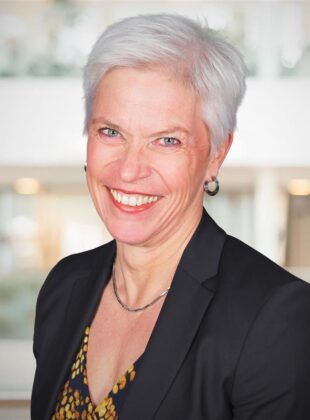
Tina Karlberg
Head of International Projects at Sweco Sweden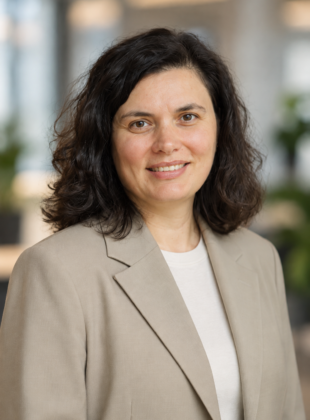
Monica Welander
Chief Sustainability Officer at Sweco Group