Preparing European water systems for an uncertain future
Published on: November 2, 2026
Drought, heavier rainfall and growing demand are changing what Europe needs from its water systems. Projects spanning drinking water supply, flood protection and municipal infrastructure show how planning can help maintain essential services under greater uncertainty.
Water infrastructure is often designed to operate for many decades. During that time, the conditions around it can change substantially. Lower river flows can affect the availability and quality of drinking water sources, while intense rainfall can overwhelm drainage systems. Population growth adds further pressure to networks and treatment plants.
Planning around a single forecast can leave infrastructure poorly suited to future needs. A system sized for one pattern of demand may struggle if development or rainfall changes, while committing too early to a fixed solution can limit later choices. Adaptive planning allows investments to be phased and reviewed at clearly defined decision points as new information becomes available, helping utilities respond to changing conditions while continuing to address the risks they already face.
Building resilience requires an understanding of how the whole system responds when conditions change. Utilities need to consider alternative sources of supply and the consequences of disruption. At a wider scale, municipalities must connect water planning with flood protection and future development. The following projects show how these questions can shape decisions in different settings.
Dunea explores future drinking water sources
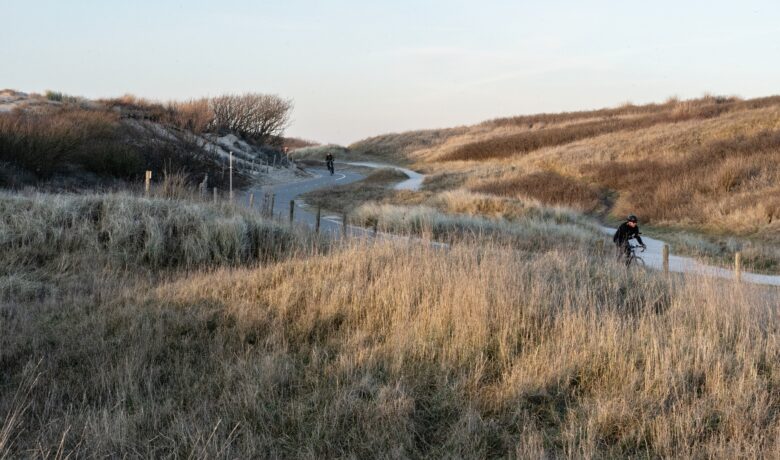
In western South Holland, water company Dunea and Sweco explored new raw water sources and treatment options as existing dune storage and natural purification capacity was no longer considered sufficient for future needs. Growing demand and declining raw water quality prompted a broader assessment of supply options.
The study considered brackish groundwater, seawater and river abstraction alongside existing surface water sources. Sweco supported the technical assessment and environmental coordination, helping Dunea select a preferred approach that combines a new source with membrane filtration. The intended outcome is a more reliable long-term supply for 1.4 million people. The work addresses climate change and salinisation as well as PFAS, a group of persistent pollutants.
Norway strengthens protection against floods and erosion
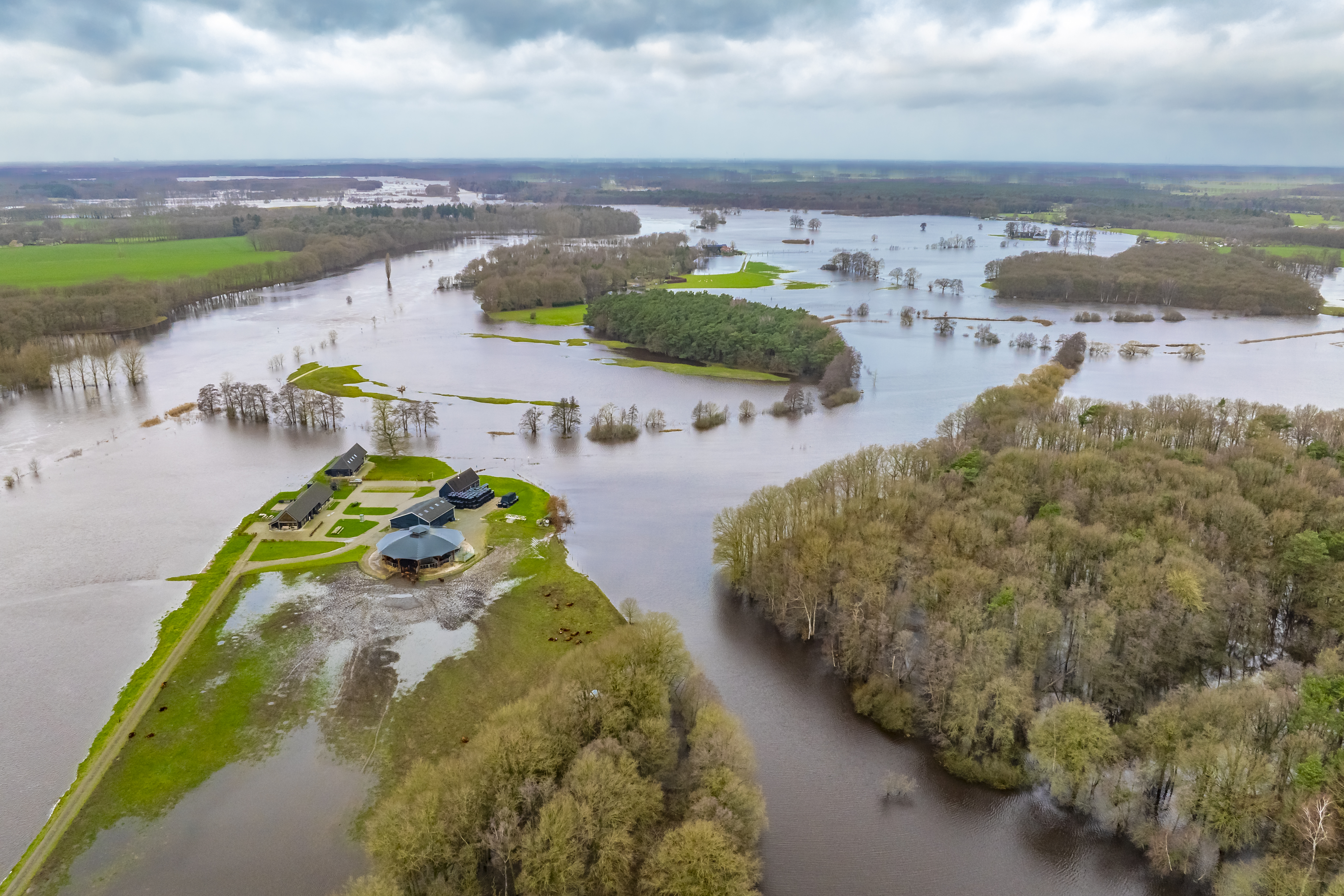
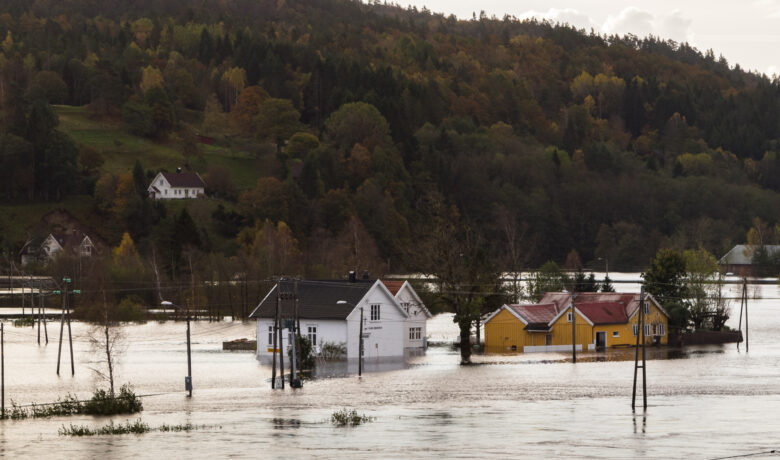
In Norway, Sweco supports the Norwegian Water Resources and Energy Directorate, NVE, on projects addressing flooding and riverbank erosion as well as landslides and other water-related ground movements.
The assignments include climate adaptation measures designed to protect communities and critical infrastructure. They reflect the connection between water management and national preparedness. Reducing the risk of physical damage to infrastructure is an important part of protecting the serv
ices that communities depend on when severe weather occurs.
Jersey uses integrated modelling to guide investment
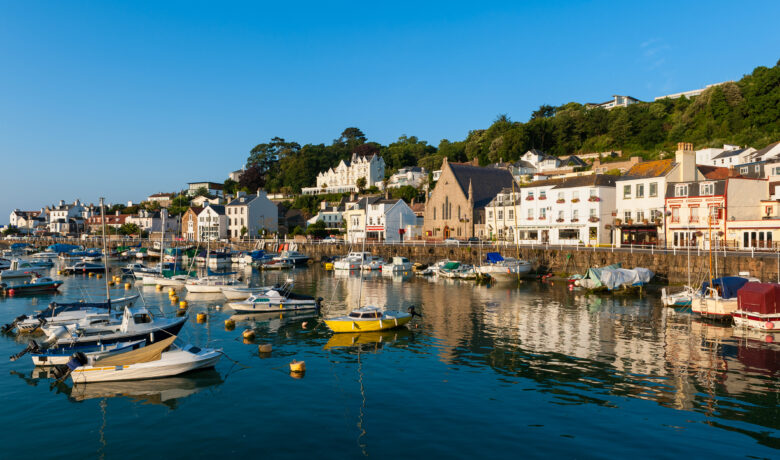
On Jersey, Sweco supports the government’s Liquid Waste Strategy through an integrated model of wastewater and surface water infrastructure. The model brings rainfall and tidal conditions into the assessment of future growth and infrastructure needs.
Used for more than 15 years, it helps identify operational and environmental risks and informs investment decisions. Modelling has demonstrated the potential to reduce untreated discharges to St Aubin’s Bay by 90 per cent. By assessing connected systems together, the strategy helps planners understand how development and climate pressures affect both treatment capacity and the surrounding water environment.
Ukrainian municipalities prepare water infrastructure for modernisation
Reliable water and wastewater services are fundamental to public health and municipal development. In Ukraine, Sweco works with local partners to support municipalities through the planning and implementation of strategically important water projects.
In Kobleve and Dobroslav, preparatory planning and design financed through Swedfund helped establish the basis for investment. The projects subsequently secured financing from Nefco and entered implementation, with funding that included Sida grants. Sweco supports the municipalities with procurement, contract management and construction supervision, helping carry the planned solutions through to delivery.
For infrastructure owners, planning for uncertainty involves deciding where flexibility is most valuable. This may mean considering an additional water source or using a model that can be updated as conditions change. Keeping those options open can help water systems respond to needs that differ from today’s forecasts.