One of the world’s most ambitious sustainable building projects
UN17 Village
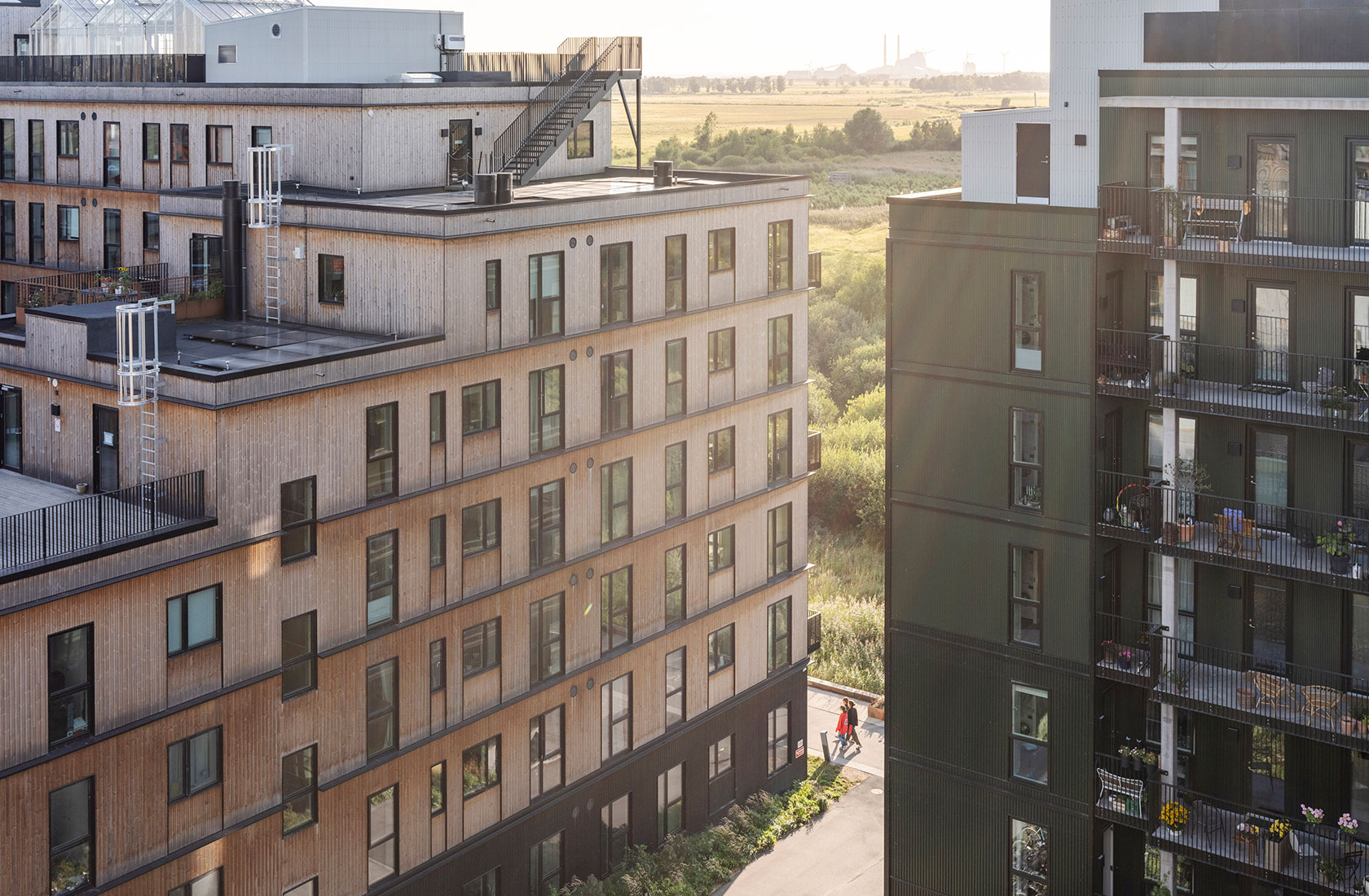
UN17 Village is among the first developments in the world to be created using a comprehensive methodology that addresses and integrates all of the UN Sustainable Development Goals (SDGs) into a single, holistic solution. As the first residential development in Denmark, Kronen—the timber building within UN17 Village—has achieved the highest level of the international health certification WELL.
Facts about the project
Client
Urban Partners/NREP
Place
Copenhagen, Denmark
Contractor
Lendager Group, Moe Rådgivende Ingeniører, Arup Rådgivende Ingeniører
Year
Ongoing
Size
35.000 sqm
Visualization
tmrw
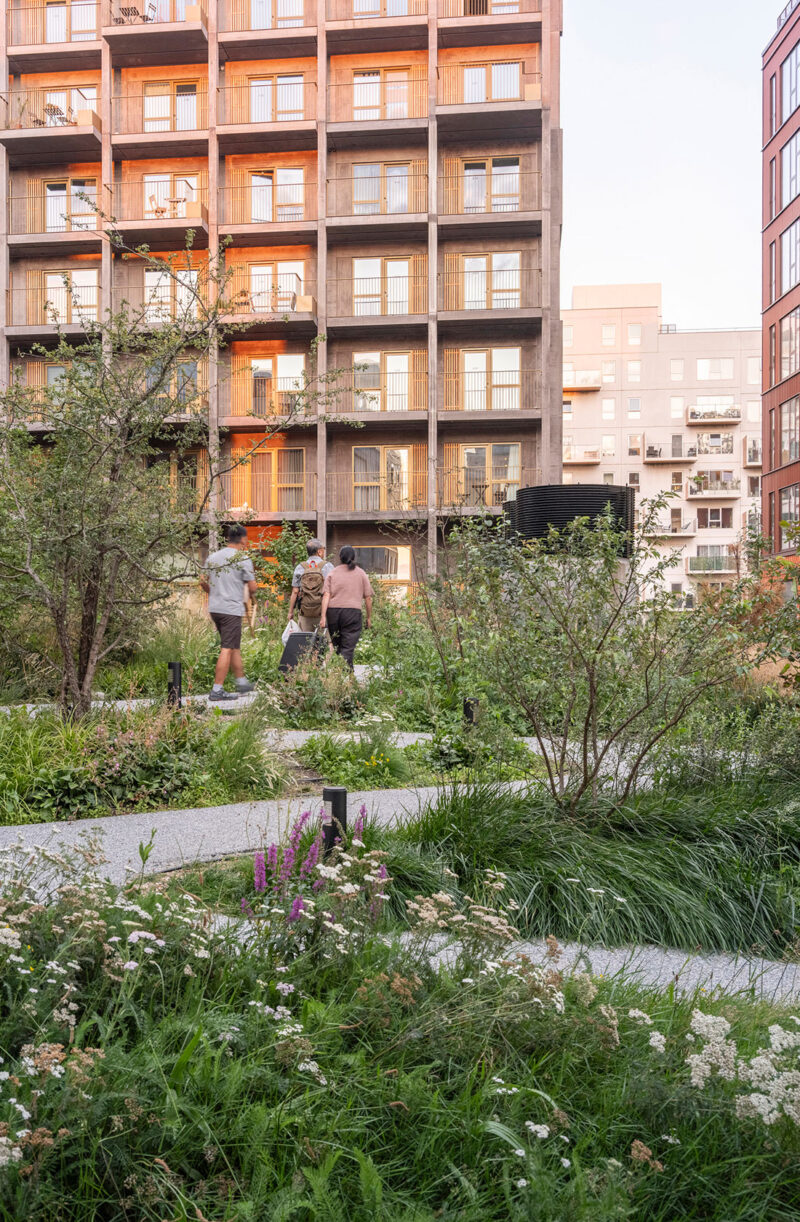
The completion of a 25 year urban transformation
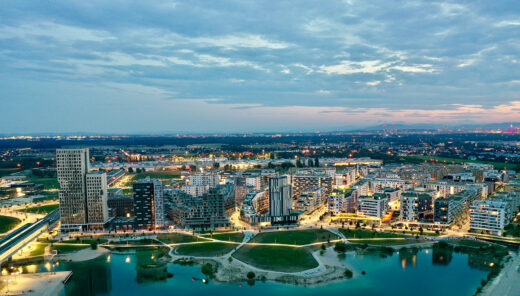
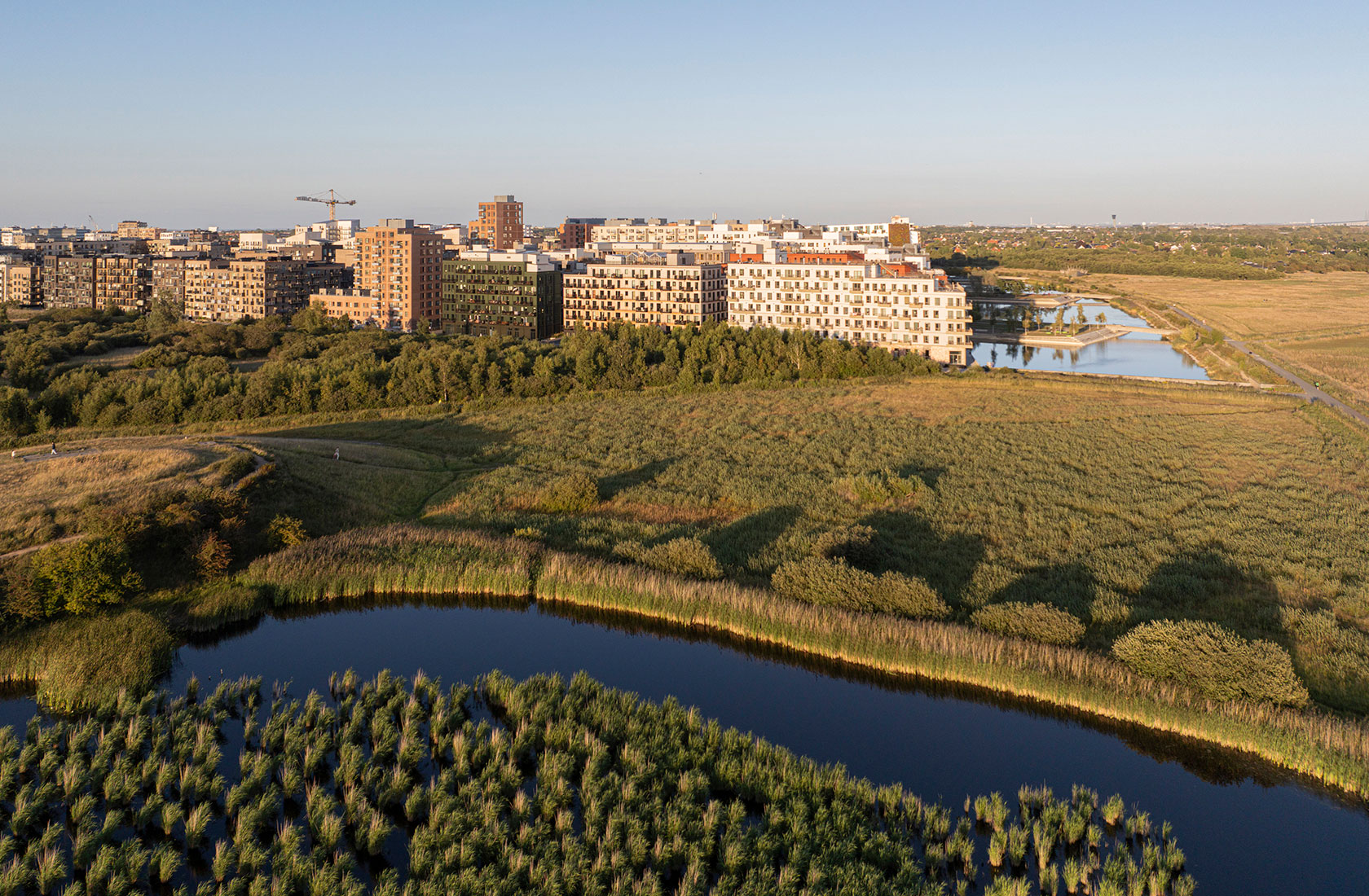
UN17 Village rises as a new and significant landmark in Ørestad, while also marking the completion of 25 years of development of this Copenhagen urban district. With a total floor area of 35,000 m², the development comprises five distinct buildings, each aimed at different resident groups—from young graduates and various family types to senior housing. Together, they form the foundation for a diverse and strong community and neighbourhood for a total of 1,100 residents across 535 homes.
Architecture at a human scale
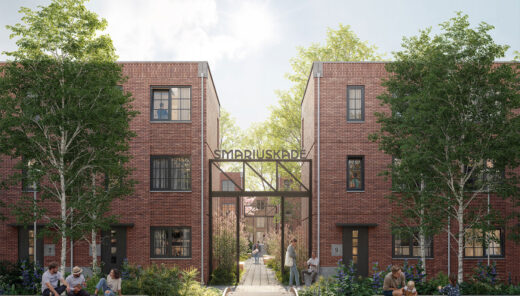
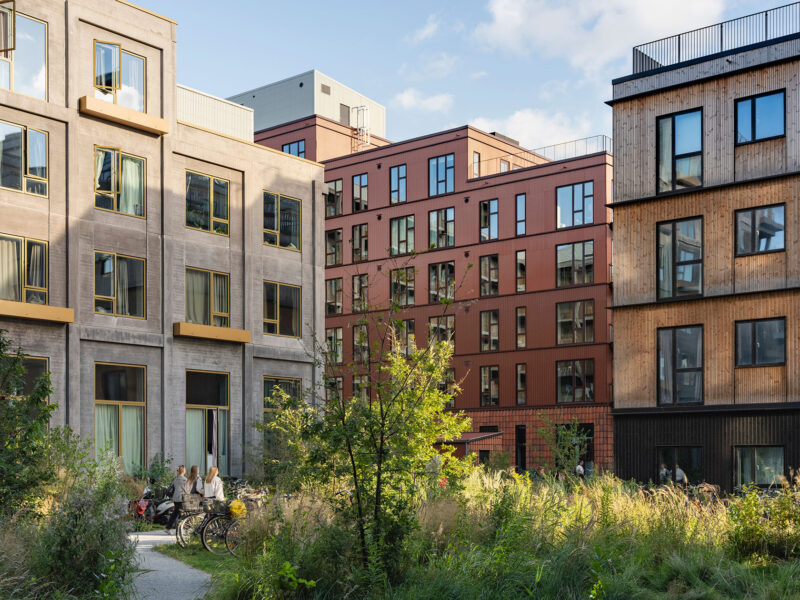
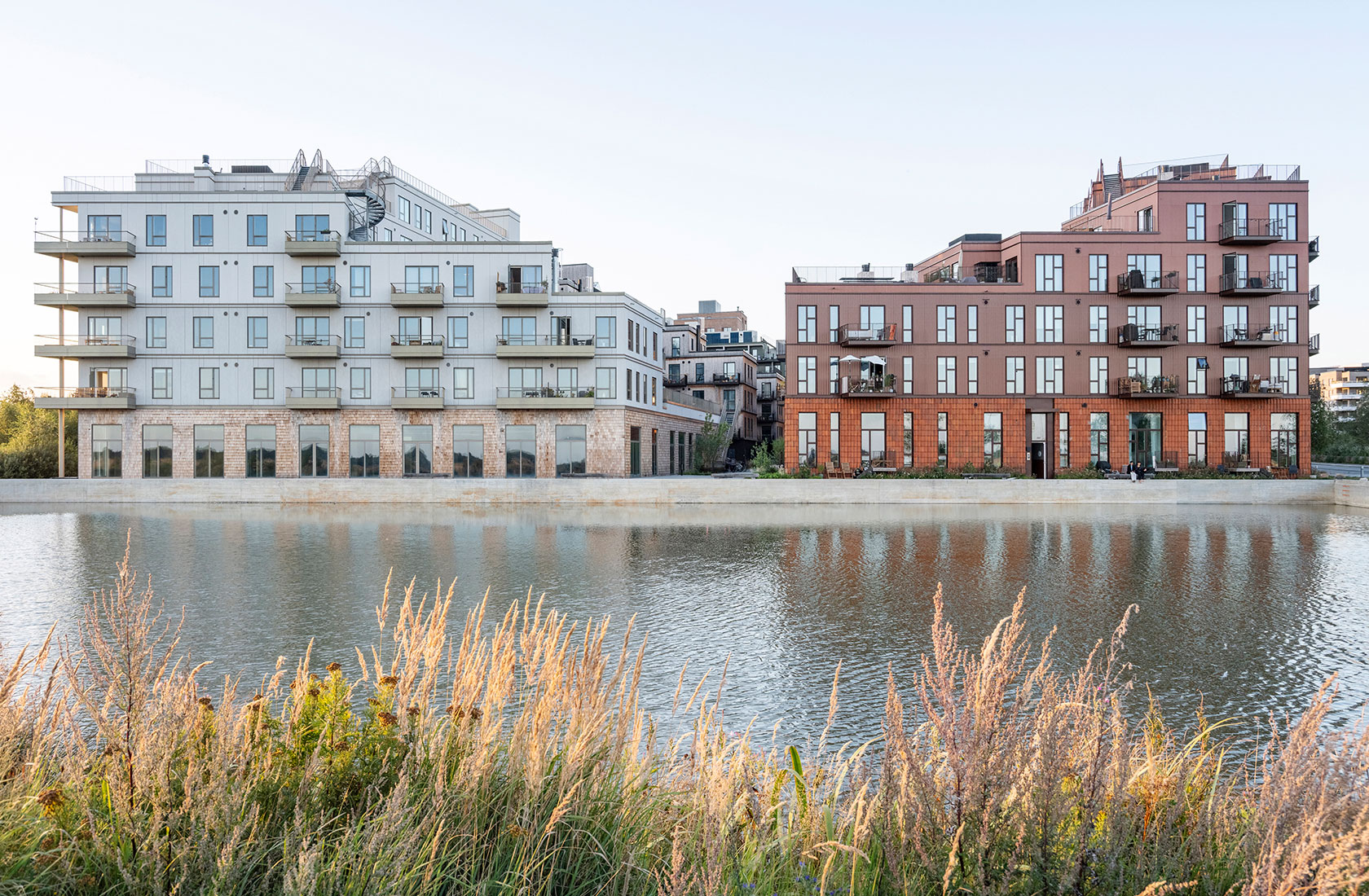
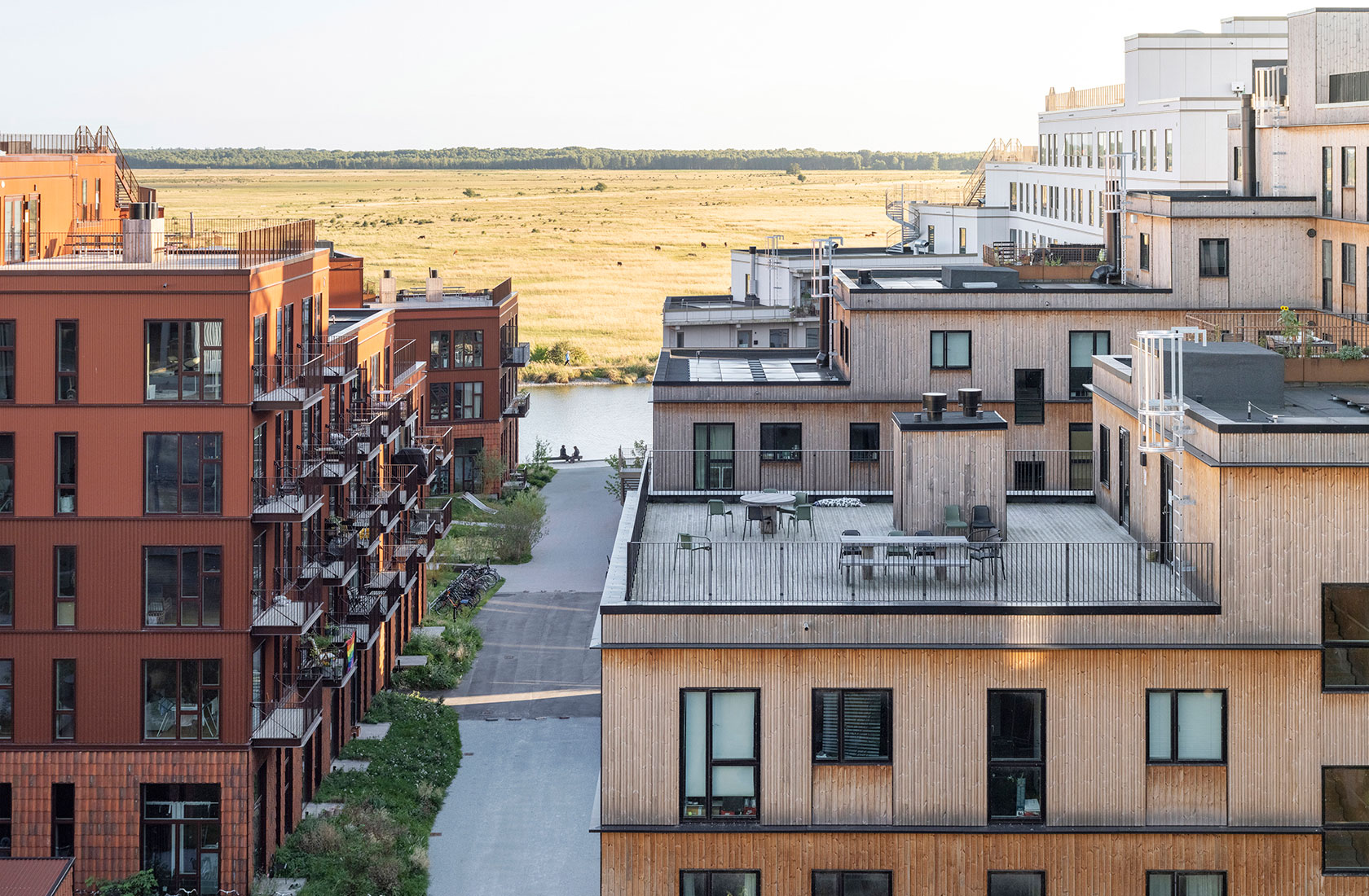
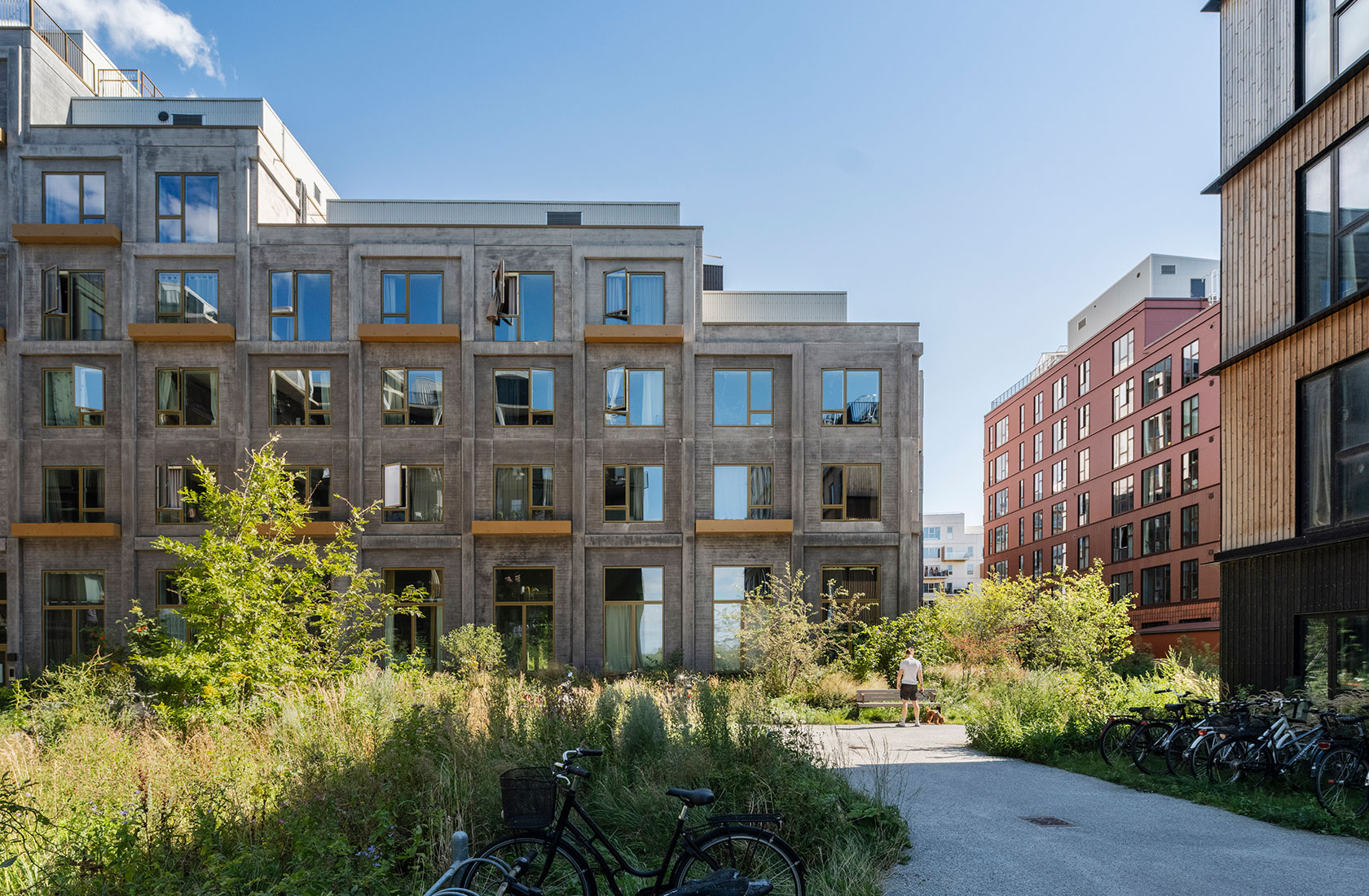
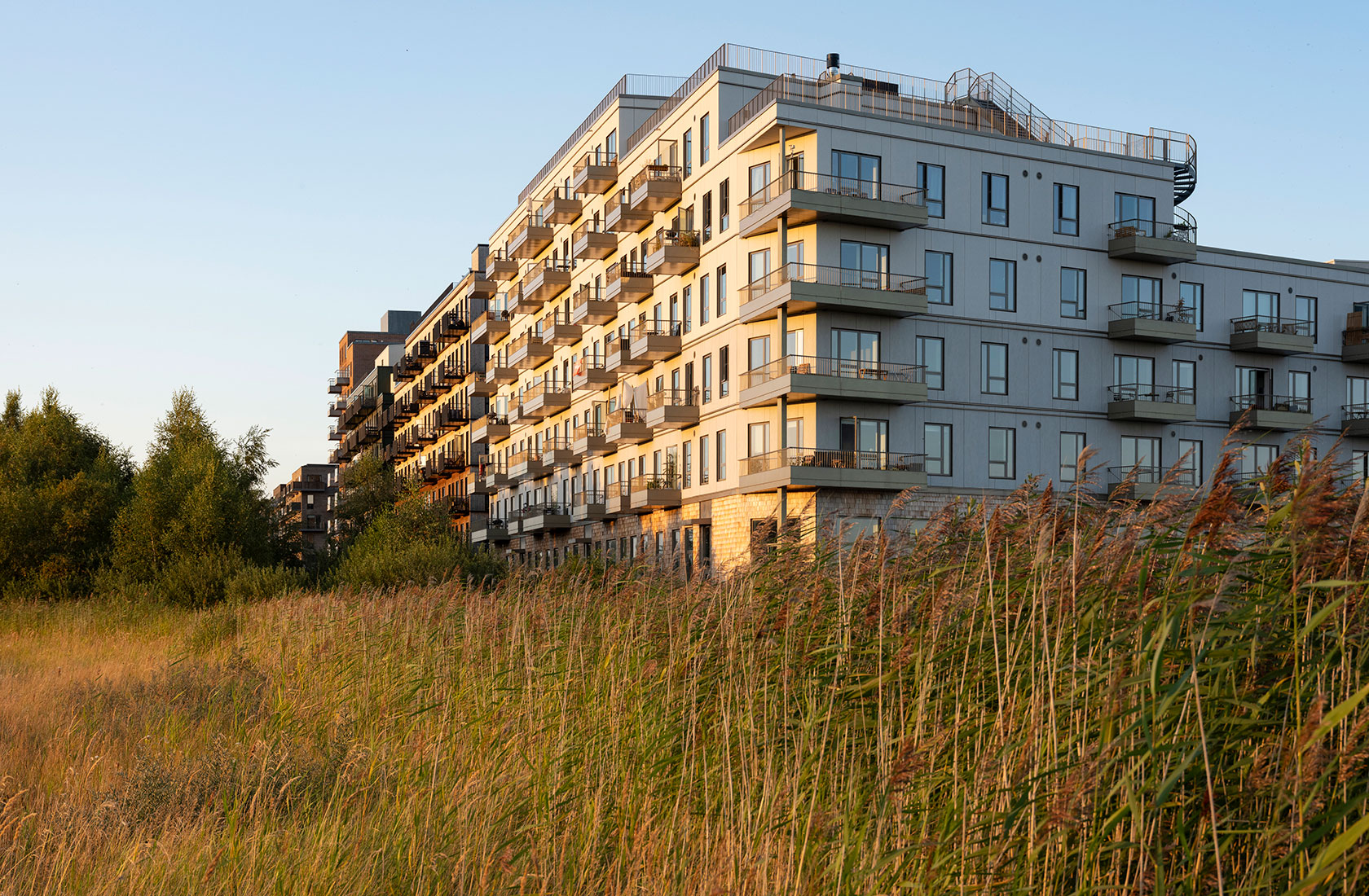
UN17 Village is designed around the human scale. The vision is therefore to break down the traditional city block into smaller, vibrant neighbourhoods with internal courtyards and passages. The facades of the five buildings are all designed around concepts of diversity, identity and community. Each of the five perimeter blocks has its own distinct identity, expressed through different colour palettes and architectural expressions.
What unites the buildings is a horizontal facade articulation that reinterprets classical architectural references familiar from Copenhagen’s historic perimeter blocks.
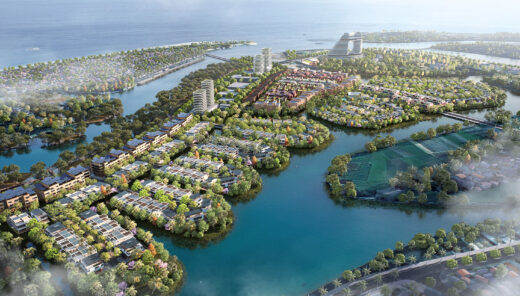
Modern apartment buildings are surrounded by a nature reserve with a lake and green spaces under open blue skies.
Rainwater harvesting, reuse and rooftop solar panels
Clean drinking water is a valuable resource that must be used responsibly. At UN17 Village, roof surfaces and courtyard areas are used to collect rainwater, which is then reused for irrigation of green ornamental and recreational spaces, as well as greenhouses and kitchen gardens.
For irrigating recreational areas where there are no requirements regarding water discolouration or microbiological growth, water collected from the greenhouse, plant rooms and bicycle shelters is used. For irrigating the greenhouse and ground‑level kitchen gardens, rainwater collected from roof surfaces is stored in underground barrels and tanks. This reduces the risk of bacterial growth, allowing the water to be used to irrigate vegetables eaten raw.
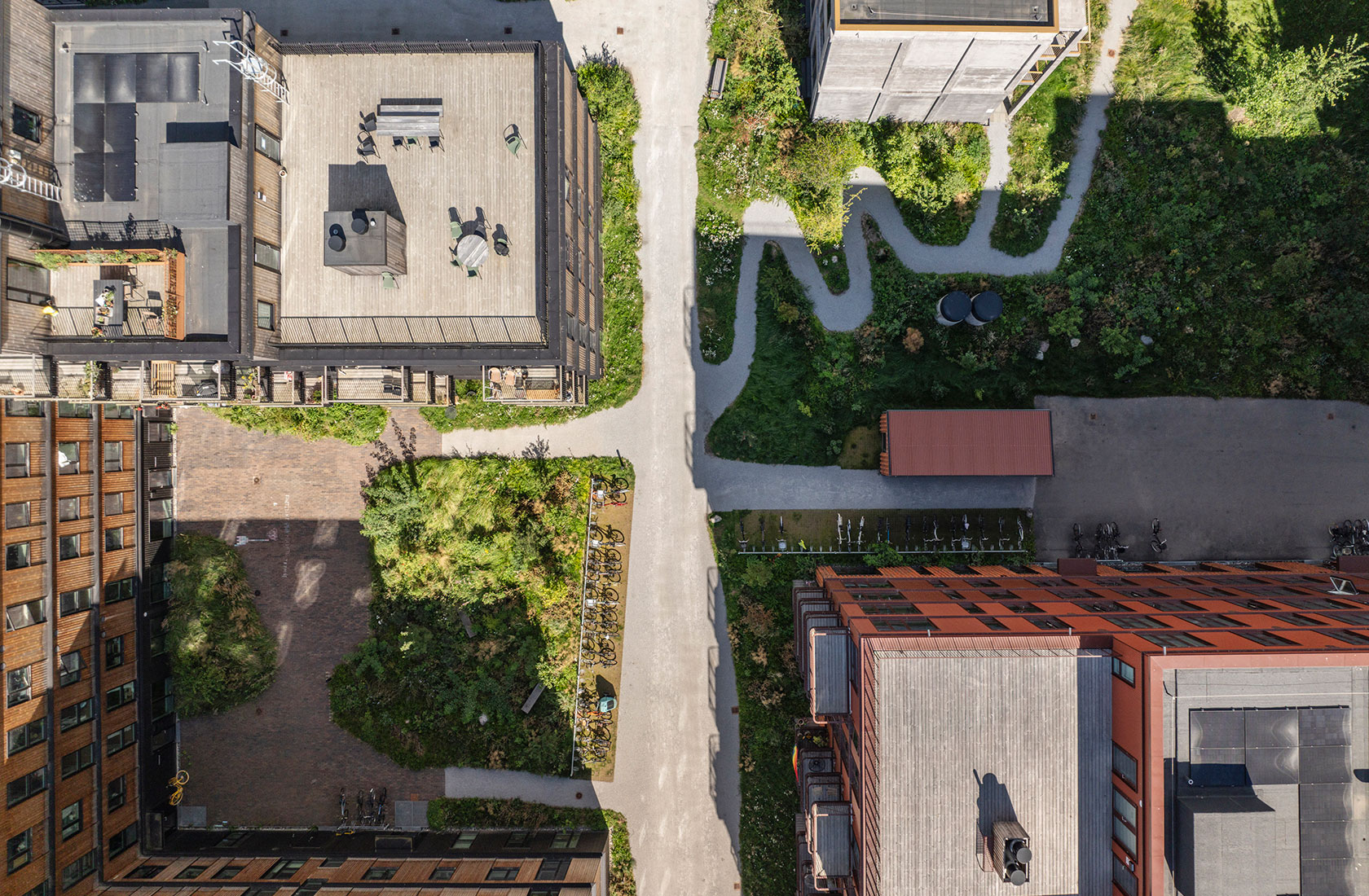
The development is designed to collect more than 1 million litres of rainwater per year for recirculation and recreational use. The roof will accommodate 1,700 m² of solar panels. This placement strategy optimises energy production relative to the available roof area and extends production into the morning and afternoon hours, when residents are more likely to be at home and able to consume the energy produced.
Homely, functional shared spaces designed for everyday living
In the interior design of UN17 Village, architects and space‑planning specialists have focused on creating a homely and functional atmosphere in the shared areas, with both aesthetics and functionality given high priority. The overall design concept for the entire development covers everything from floors, ceilings and walls to kitchens.
Wayfinding is an integral part of the design concept. The individual colours of the five buildings—including the underground car park—have been carefully selected to create a coherent yet varied experience. For example, the NOLI building, aimed at younger residents, features specially developed furnishings and lighting, including acoustic solutions in wall and corridor areas.
The overarching interior concept embraces different family constellations and creates a welcoming, domestic atmosphere across all shared spaces in the five buildings. The interior design—including the choice of furniture, fittings, lighting and rugs—aims to create a warm and inviting environment. To support this homely feeling, one third of the furniture in shared areas consists of reused items such as sideboards, lamps, books, shelving, armchairs and wall art.
This blend of new and reused elements creates an authentic and comfortable atmosphere where people enjoy spending time. The shared facilities also include TV lounges, common rooms and a lobby at ground‑floor level.
Specialised lighting has been designed to create varied moods across the different shared spaces, supporting a dynamic and comfortable environment. The wayfinding system in the basement, where colours are linked to individual buildings, is both functional and aesthetically aligned with the overall design.
Courtyard landscapes designed to support biodiversity and microclimate
At UN17 Village, the surrounding landscape is drawn in between the buildings and defines the identity of the courtyards. The courtyard landscapes are therefore designed with a strong focus on creating a maximised growing substrate with structural diversity—varying moisture levels and sunlight exposure—to support plant and animal life. Local plant species and biotopes from nearby Kalvebod Fælled are incorporated.
In addition to contributing positively to the area’s biodiversity factor, the green urban spaces also improve acoustic and microclimatic conditions, delay rainwater runoff, mitigate the urban heat‑island effect and provide significant recreational value for residents.
Each of the five perimeter blocks includes a shared function at ground‑floor level, while two of the rooftops feature greenhouses that serve as communal buildings and meeting places. To encourage everyday physical activity, a recreational path system connects buildings, shared facilities and social spaces. The paths extend through courtyards and across rooftops, gently nudging residents to choose a longer, more active route rather than the shortest one.
Outdoor sports and play facilities are also provided throughout the development and are free and accessible to everyone.
A comprehensive approach to health, wellbeing and sustainable living
UN17 Village is a highly ambitious project that aims to create a development addressing all 17 UN Sustainable Development Goals. A wide range of solutions and initiatives has been implemented to create optimised and accessible homes and outdoor environments.
Residents’ mental and physical health has been integrated into all aspects of the project, with health initiatives interconnected to ensure that a healthy lifestyle is both supported and encouraged. For example, measures have been implemented to improve indoor air quality, including relatively high air‑change rates through mechanically balanced ventilation, pollen filters and high‑efficiency extractor hoods.
There is also a strong focus on avoiding harmful substances in the selection of materials and electrical components. At the same time, both the quantity and quality of light have a significant impact on health and wellbeing. Measures have therefore been implemented to improve both daylight and artificial lighting quality in the homes. This includes optimising daylight levels through layout planning, façade design and window glazing specifications.
A world first in residential development
- UN17 Village is the first residential development in the world to incorporate all 17 UN Sustainable Development Goals
- The project as a whole has achieved DGNB Platinum and DGNB Heart certifications
- One of the five buildings, the timber building Kronen, is the first residential building in Denmark to achieve WELL Platinum certification
- Kronen is among the largest timber buildings in Denmark and was selected by the Danish business publication Børsen in 2022, in their annual initiative Børsen Sustainable Case, for inspiring change within a CO₂ intensive industry