Ambitious urban development project
Coastal Quang Ngai
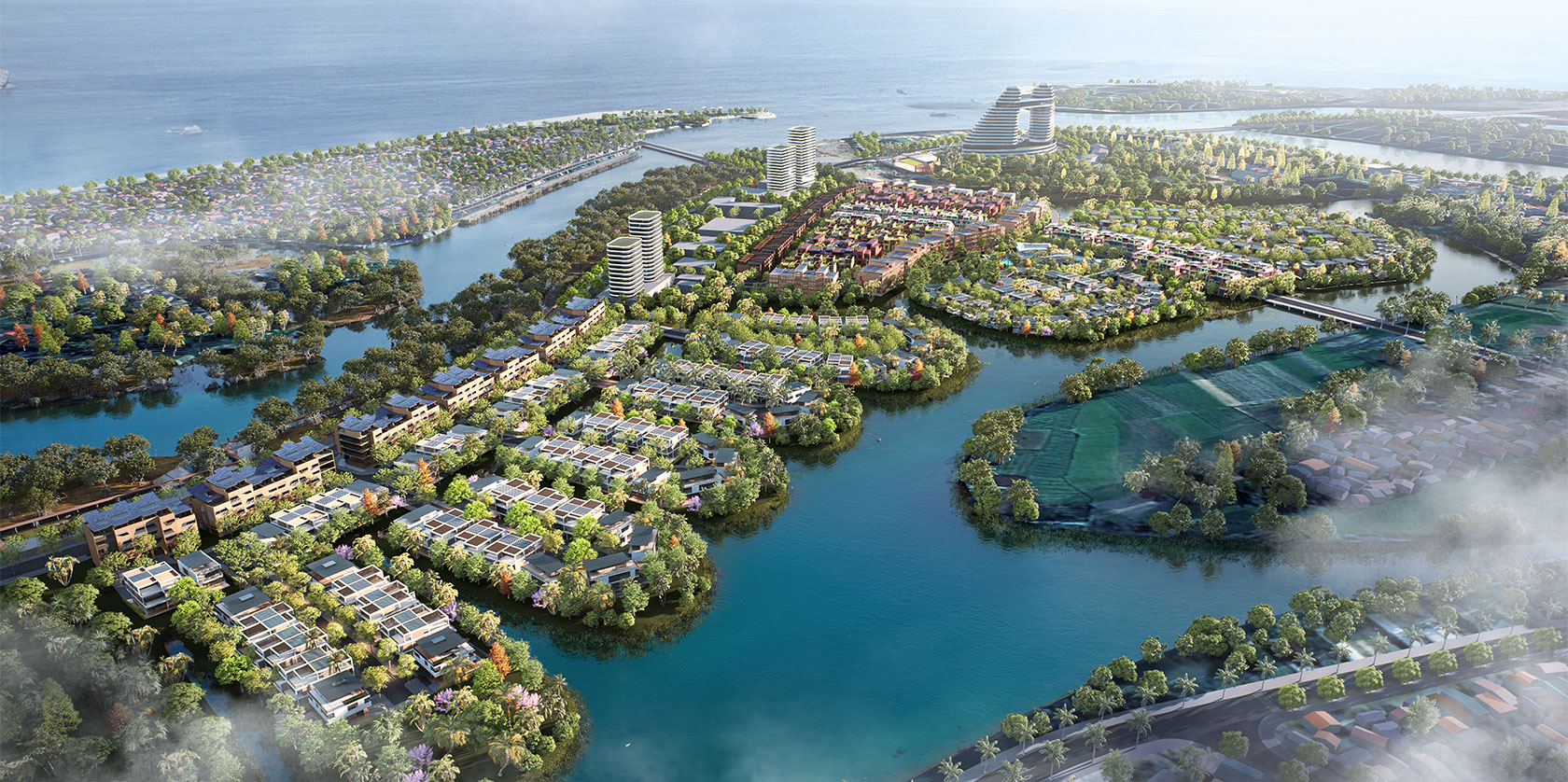
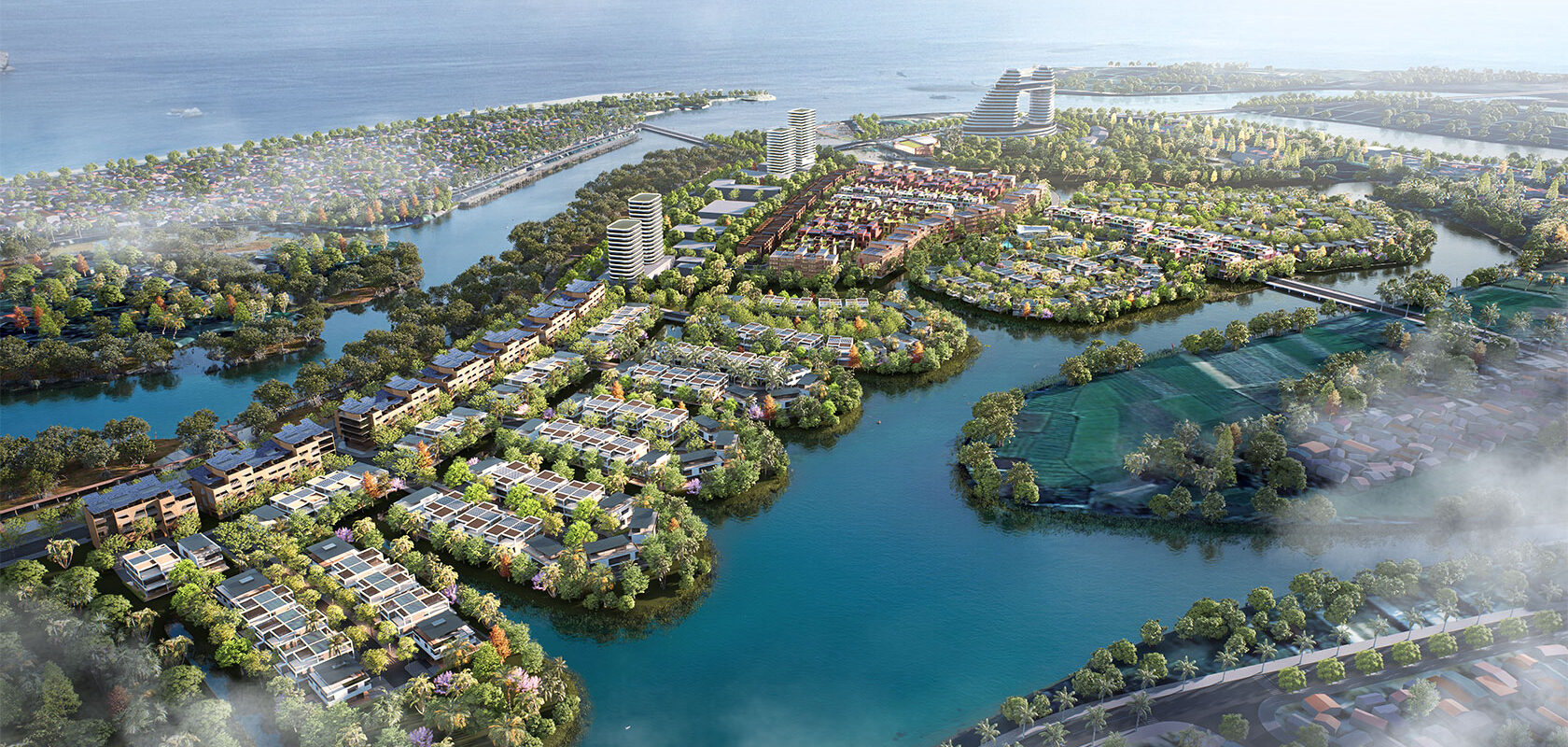
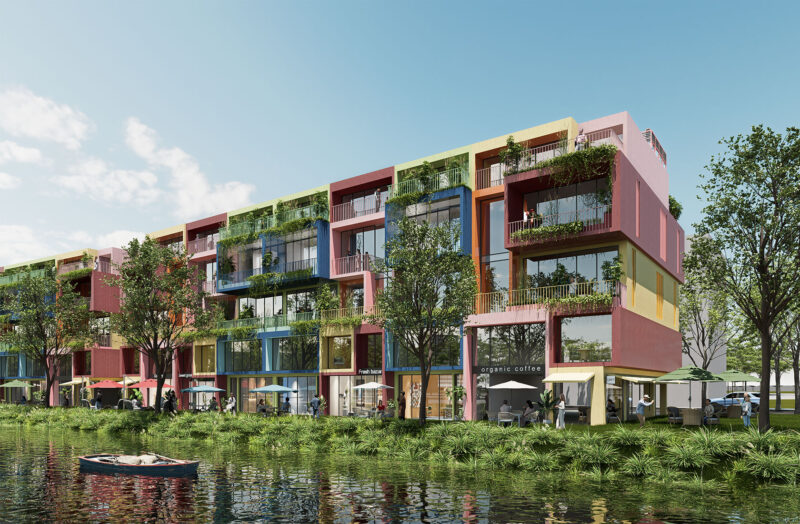
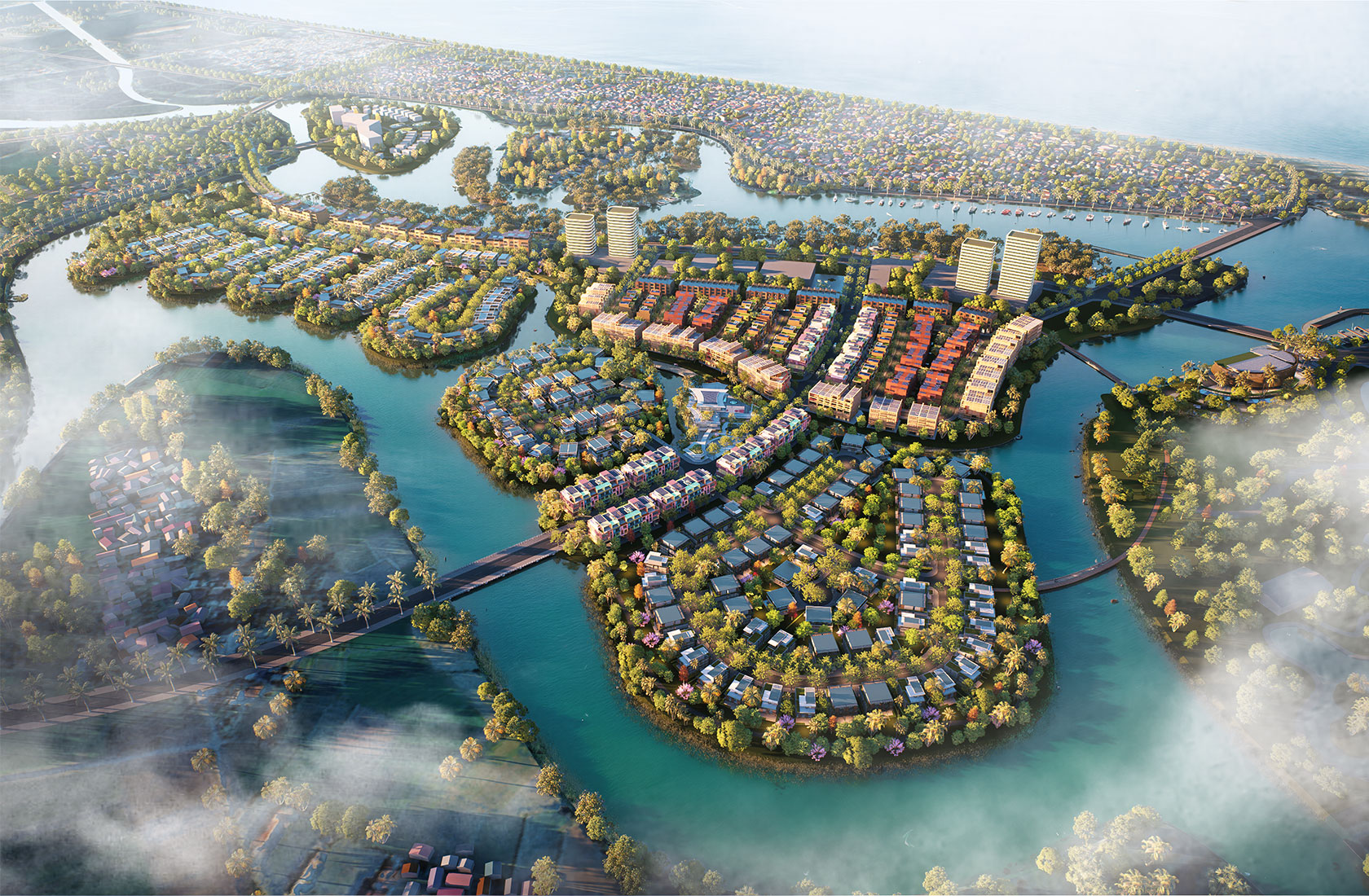
With a vision to establish an ecological, net-zero township, a new mixed-use community is taking shape in Vietnam’s Quang Ngai province, integrating housing, commercial facilities, and public spaces for 4,000 residents.
Facts about the project
Client
HAUS
Place
Quang Ngai, Vietnam
Status
Ongoing
Visualization
B.A.U. Brearley Architects + Urbanists
High sustainability targets
Based on extensive analyses, Sweco’s experts have developed a masterplan for Coastal Quang Ngai that makes use of natural resources, integrates renewable energy systems and delivers space-efficient housing solutions.
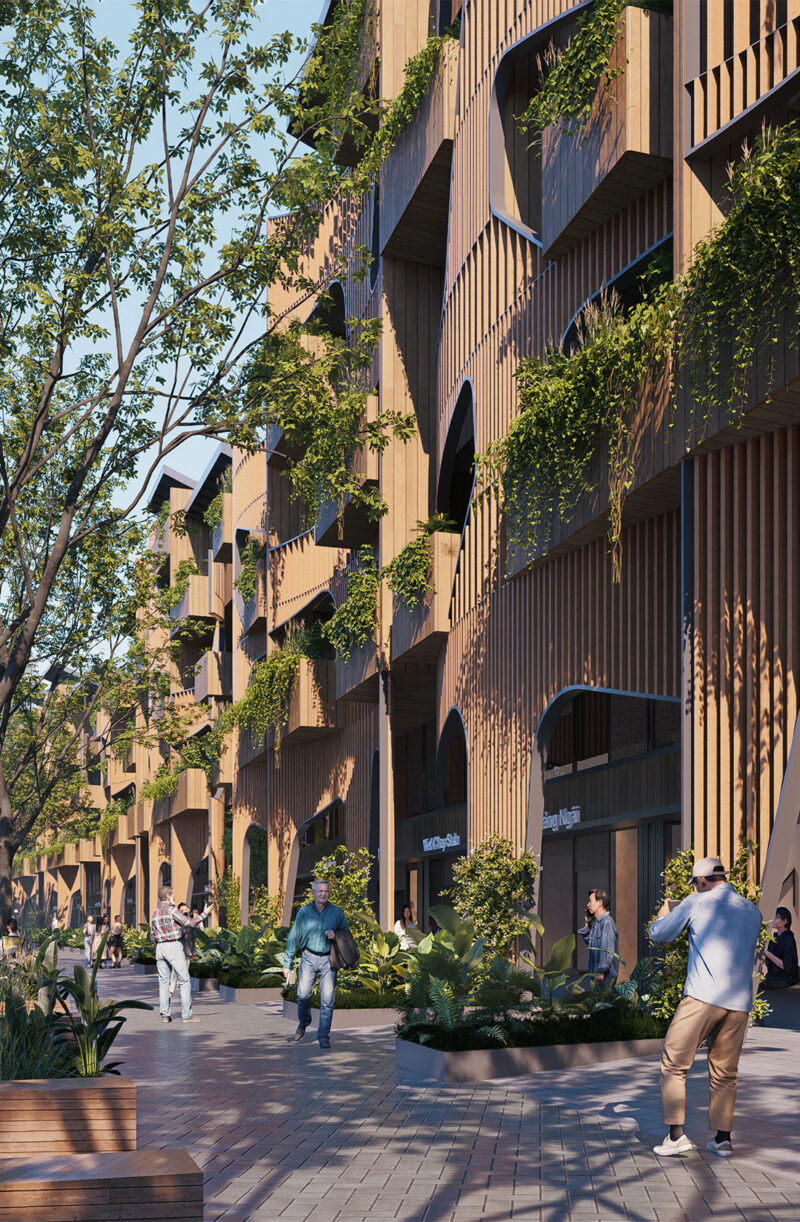
Material selection is central to achieving the project’s ambitious sustainability targets. All materials are assessed based on climate impact, local availability, buildability, cost, and cultural acceptance, as well as long-term maintenance and market value. The palette includes timber, brick, terracotta, and bamboo, with a strong focus on circularity—utilizing reclaimed bricks from local demolition and reducing cement use by incorporating by-products from regional industrial production.
The area’s favourable solar conditions enable locally adapted energy solutions. By supplying homes with solar power, energy costs are reduced and surplus electricity can be shared through a local microgrid or sold back to the national grid. The integration of battery storage increases operational reliability, ensuring a stable power supply even during periods of low solar irradiation.
Special design strategies have also been developed in response to solar exposure, which analysis indicates varies from one to nine hours per day. Shaded areas are adapted with suitably tolerant planting and light-coloured solutions, while sun-exposed areas are designed with drought-resistant vegetation and solar shading to ensure optimal thermal comfort.
Urban wind patterns have also been analysed to understand their impact on the microclimate, thermal comfort and energy efficiency. This knowledge has been used to optimise building placement, orientation and spacing. In Quang Ngai’s climate, this is particularly important to promote natural ventilation, reduce the need for mechanical cooling and create comfortable outdoor environments.
Design for a dynamic and vibrant urban environment
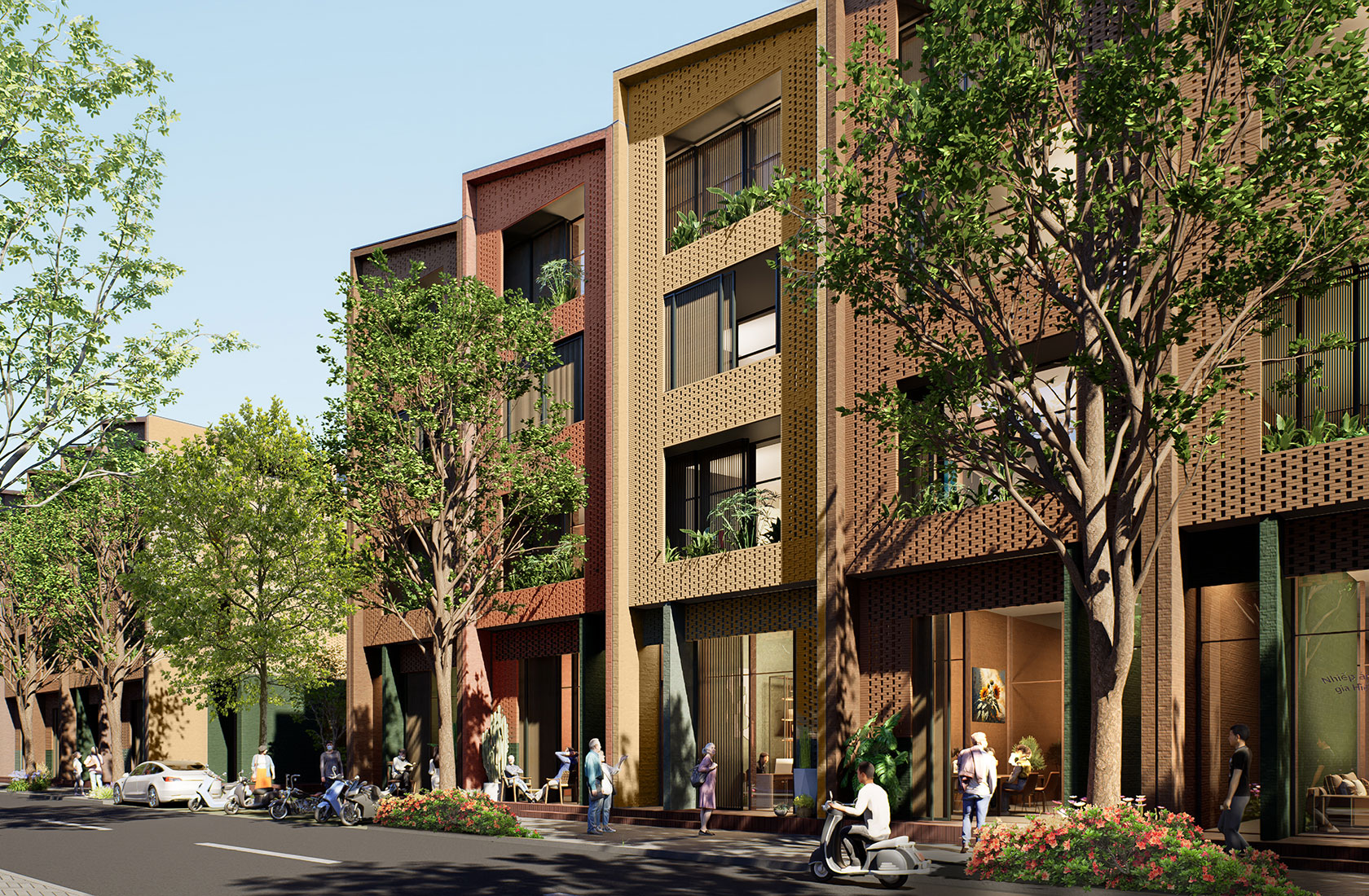
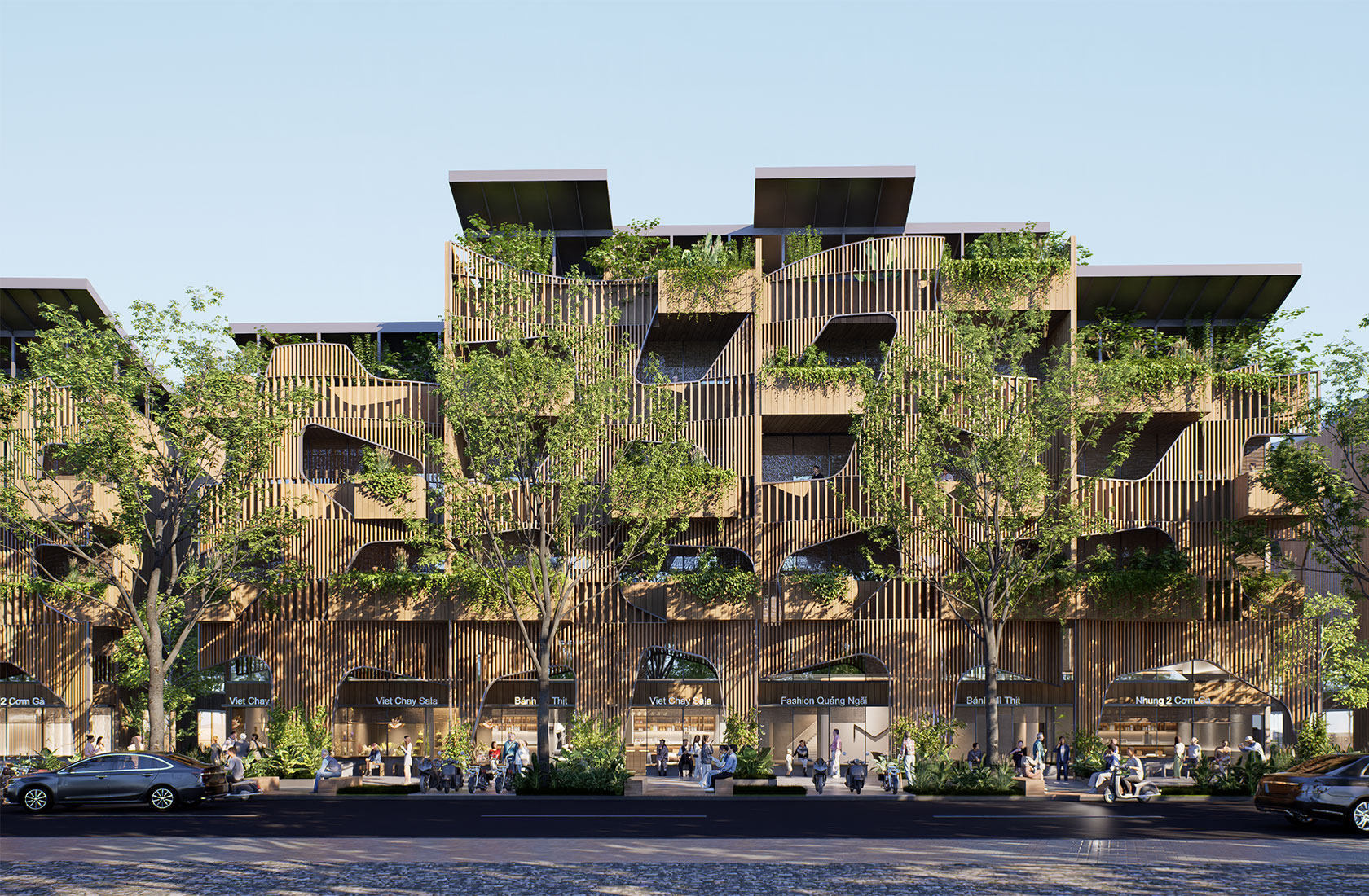
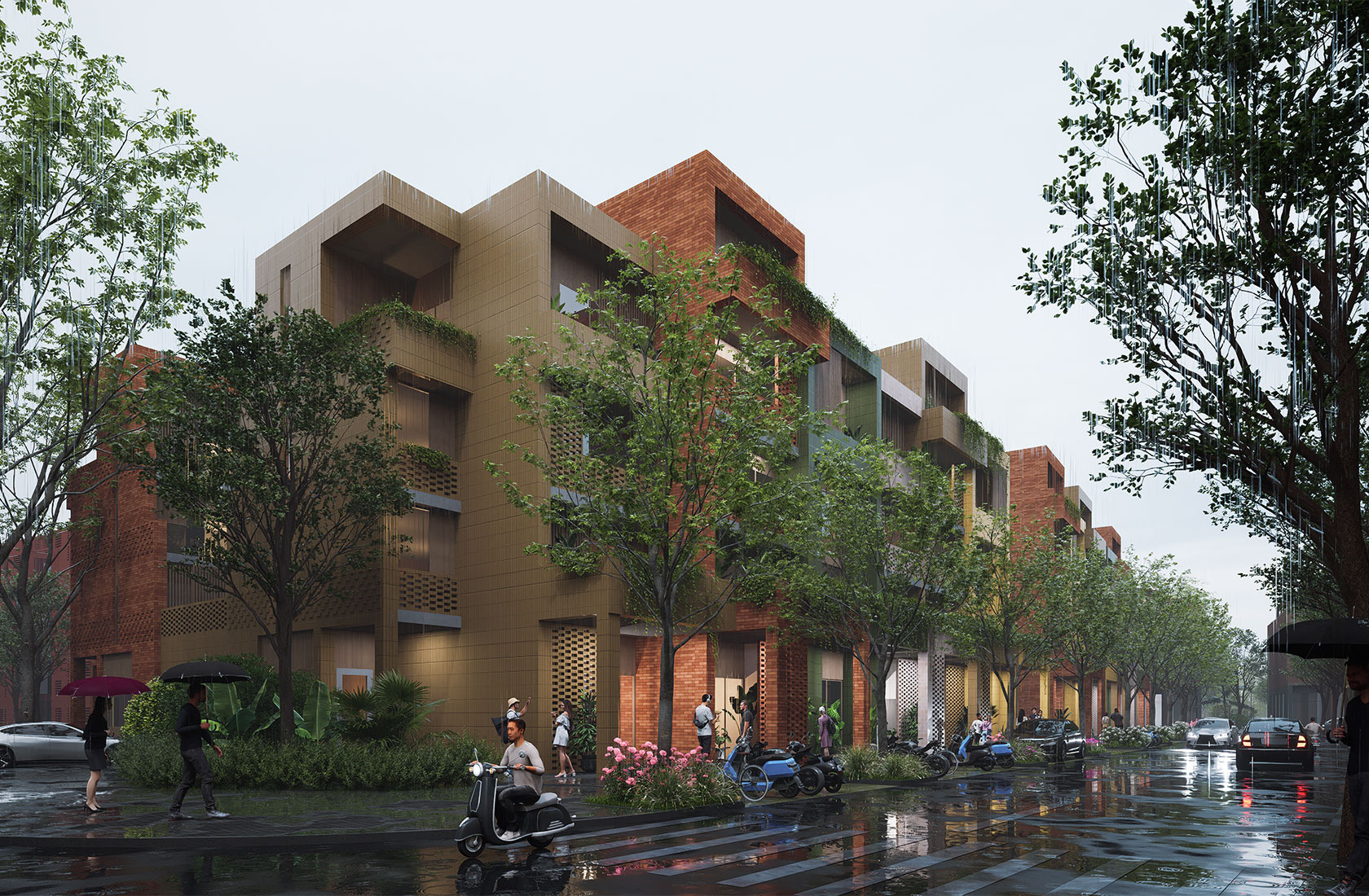
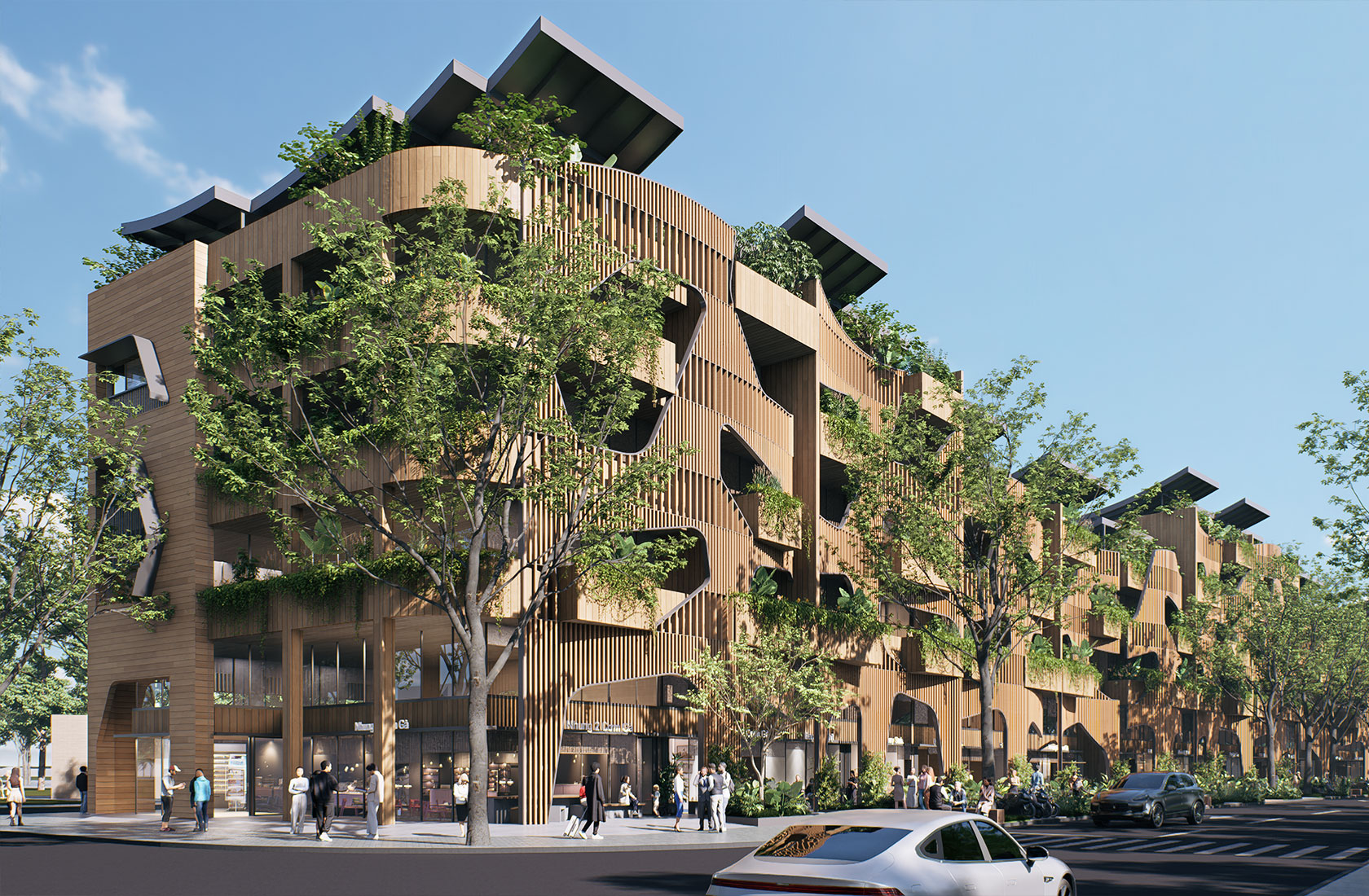
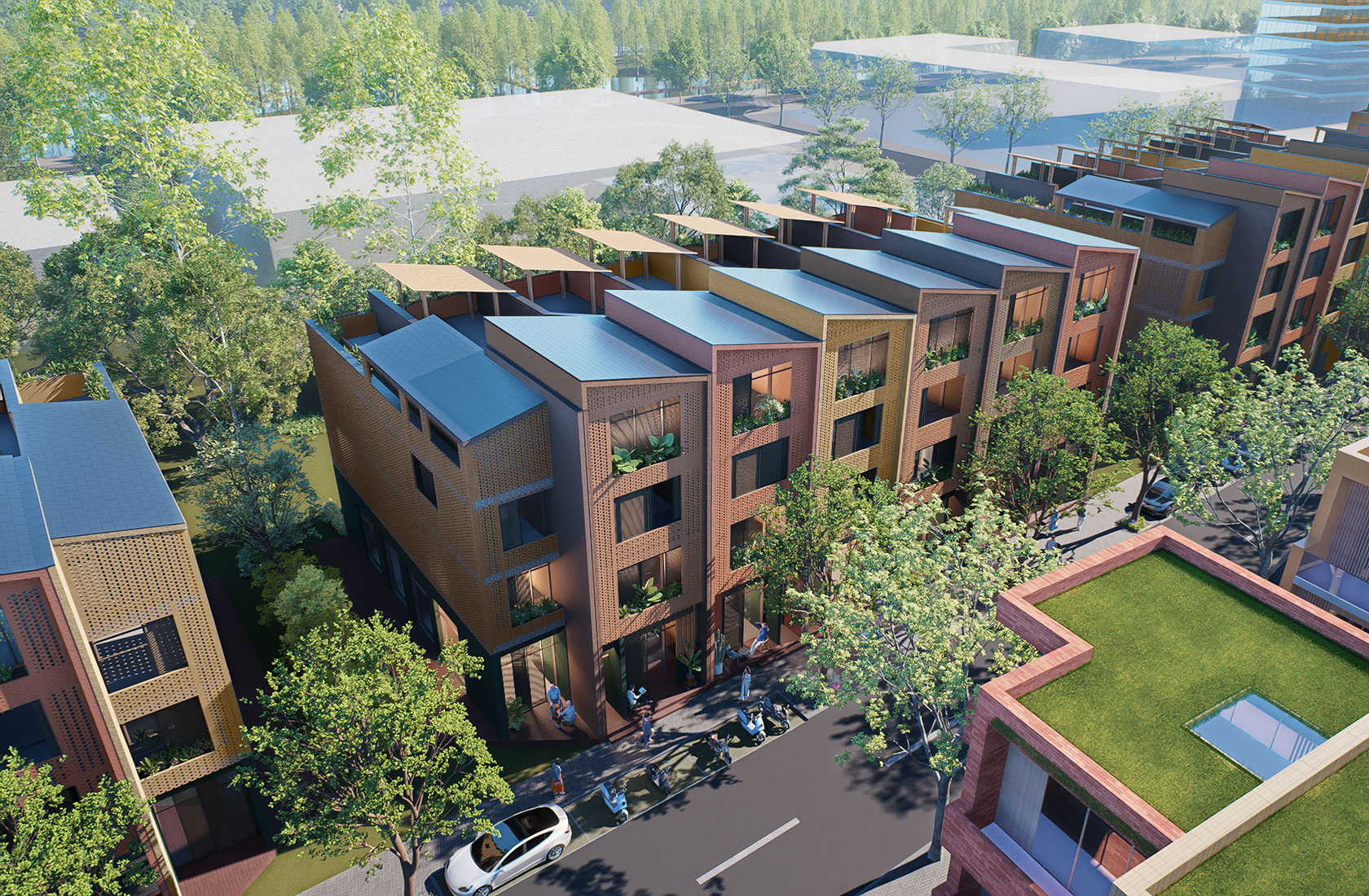
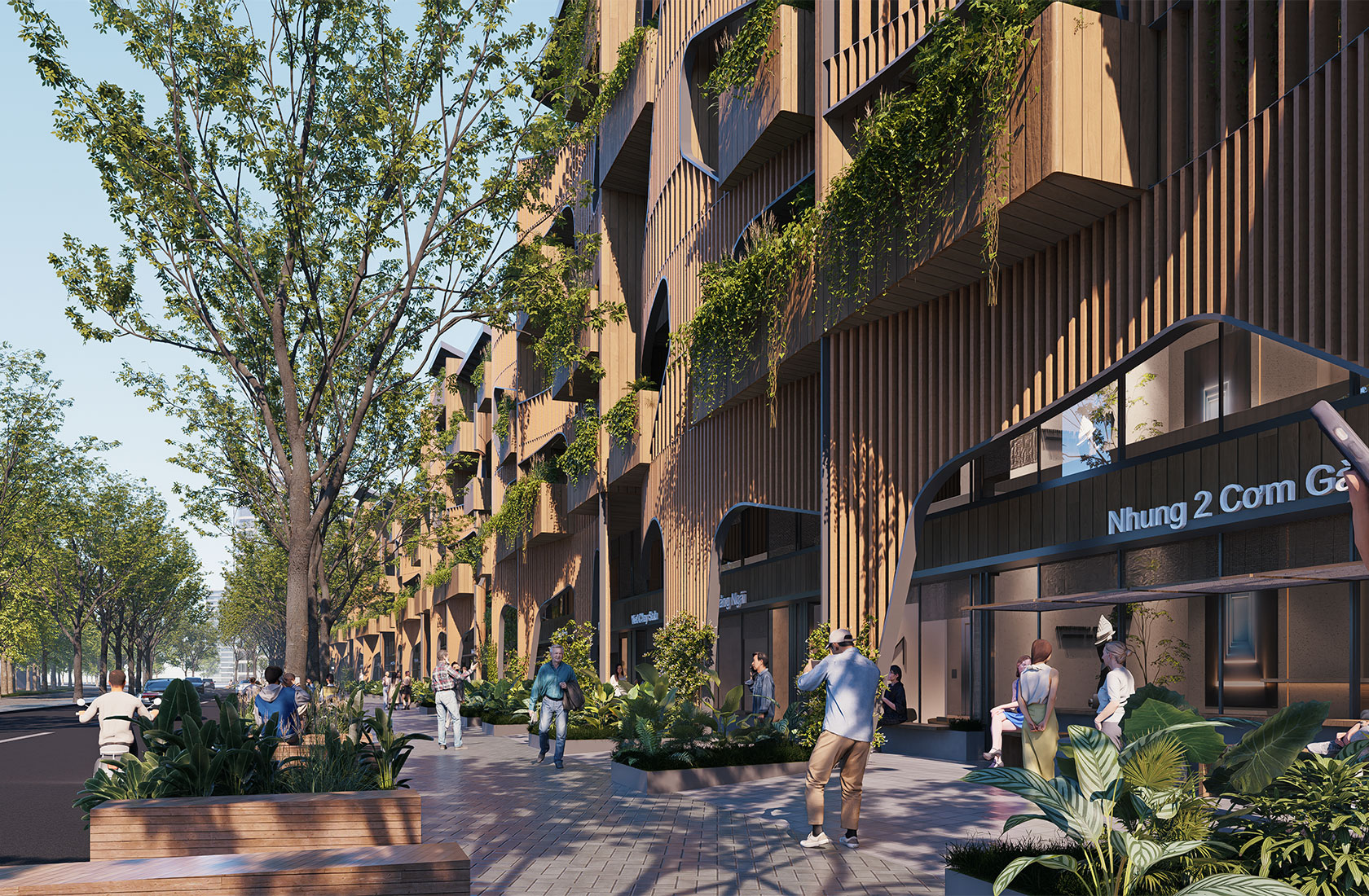
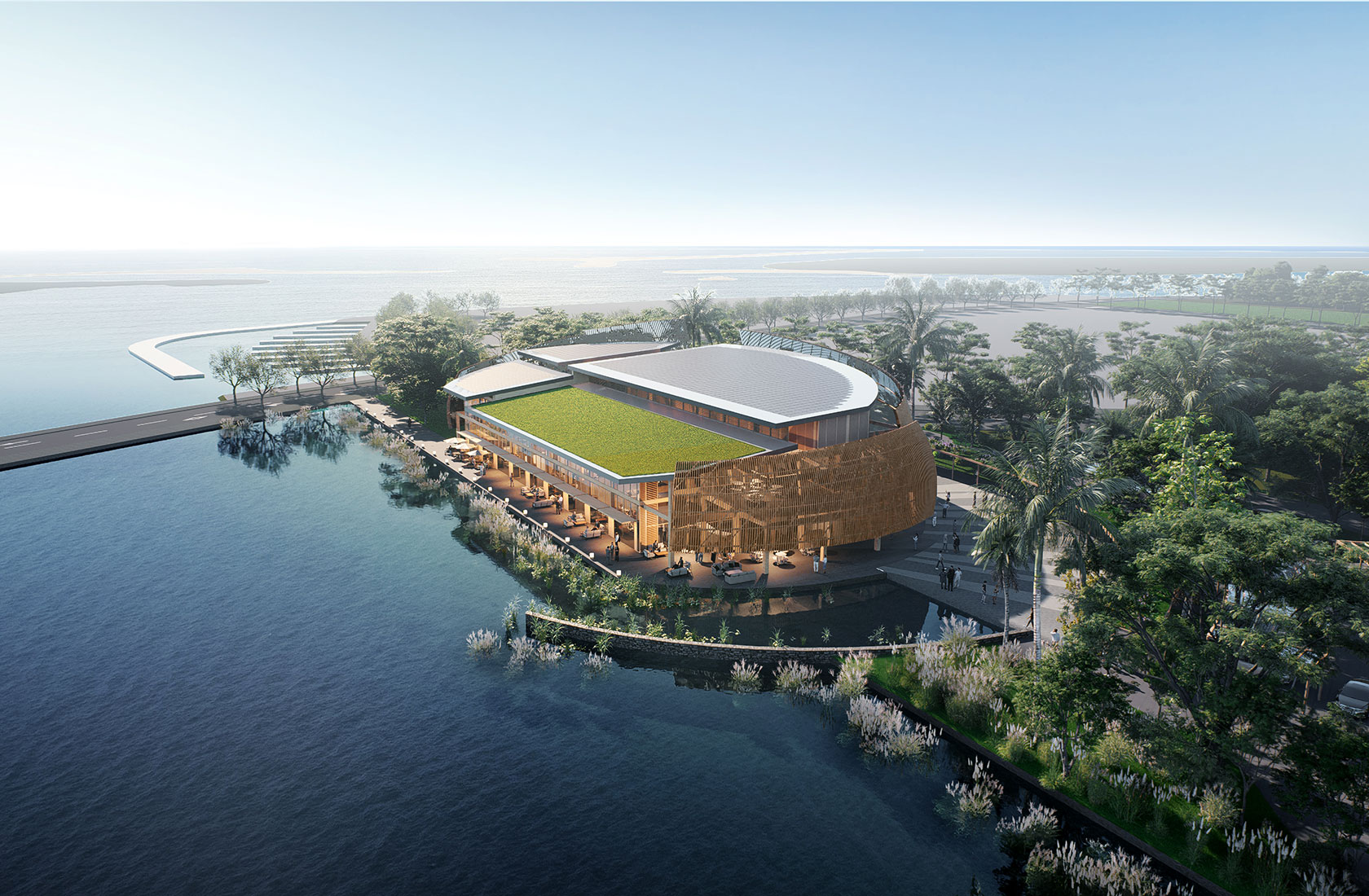
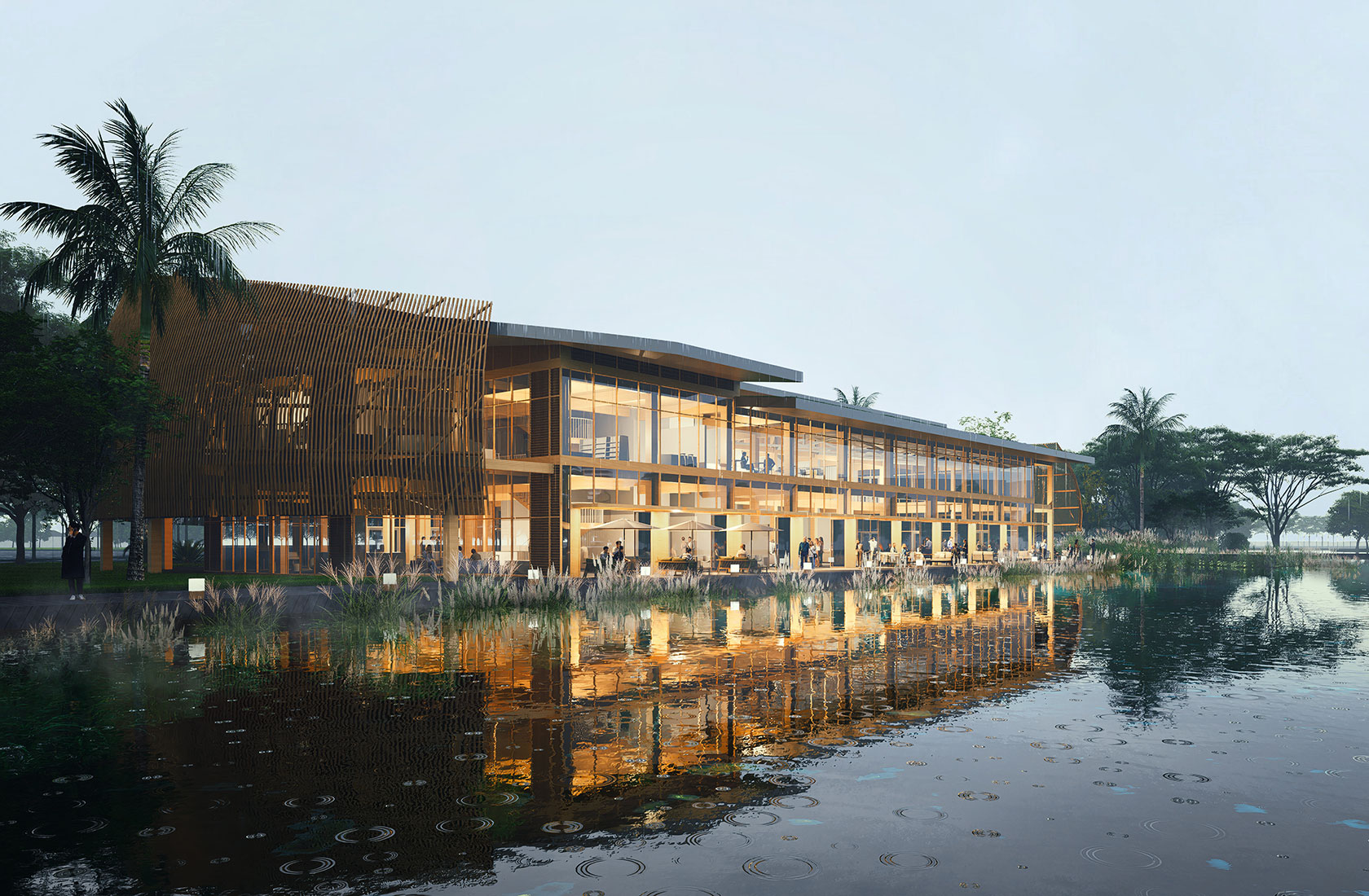
Drawing inspiration from Vietnam’s rich architectural heritage, a diverse range of design concepts foster a dynamic and vibrant urban environment. The master plan features 600 terraced townhouses and villas of varying scales, including units with ground-floor retail space. At the heart of the community, a design exhibition center provides a dedicated hub for meetings, events, and workplaces.
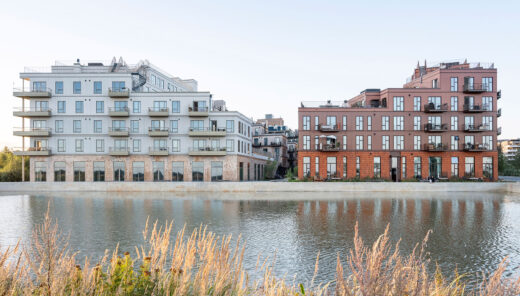
The design concepts for the different areas contribute to a cohesive architectural flow that anchors the urban development. Character is created through varied forms and material choices. One example is the brick facades, which display a carefully orchestrated ‘organised disorder’ using reclaimed local bricks with subtle colour variations. Each brick carries its own architectural history. Additionally, deep balconies create a dynamic streetscape while providing effective solar protection.
Well-designed outdoor environments are central to a sustainable and resilient city. For this reason, a continuous network of green spaces is planned along the area’s streets. By integrating ecosystem services, green and blue structures help reduce flood risk, increase biodiversity and create cooler urban environments. Health, recreation and social interactions are also enhanced through access to nature-rich settings that encourage everyday physical activity, play and social encounters.
The area is expected to be ready for occupation in 2030 and will be a welcome addition for the growing population of the region.