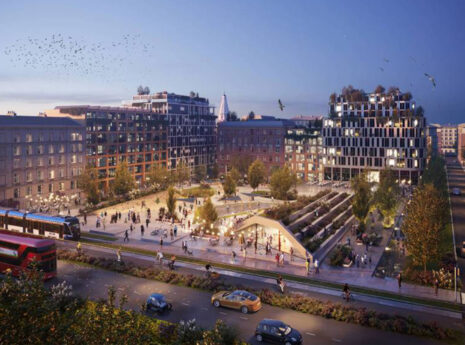
Do you ever imagine what the urban areas of the future will look like? We do no different. Every day. This is what we would like to share with you. How we design and develop this city together with our clients. Stories about great collaborations, cases, ideas and solutions. We like to inspire you with our stories, columns and news items.
Architect Carlo Negri, one of the authors and the International Director for Architecture overseas projects at Sweco in Sweden emphasizes the importance of building resilience in the food system and using water in a resilient way to grow food. Read more
Can communities aim to be antifragile in order to thrive? Yes, according to Alexandra Lybaert, Program Director for Energy Transition at Sweco. Read more
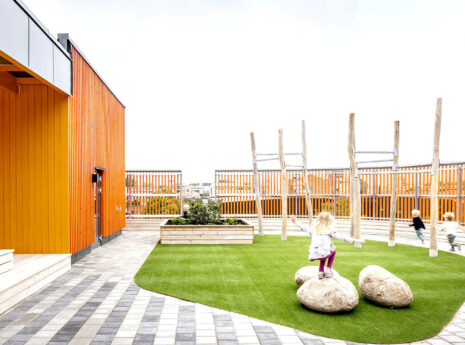
We want the local neighbourhood to be safe as well as enjoyable for everyone throughout the year. Involving children in redesigning their neighbourhood is important because their perspectives and wishes differ from those of adults. Read more
How can we plan and design public places that are attractive to everyone? At Sweco, architects, engineers and urban planners work together with the citizens, local authorities and institutional partners to redesign places and neighbourhoods. Read more
Sweco specialists present key measures on how to create healthier living environments and buildings – for education, social connections, physical activity, productivity, and recreation. Read more
Urbanisation, digitalisation and demographic trends are placing new complex demands on people, and on society as a whole. At Sweco, architects, engineers and experts work side by side to navigate a changing world and improve people’s living conditions and well-being. Read more
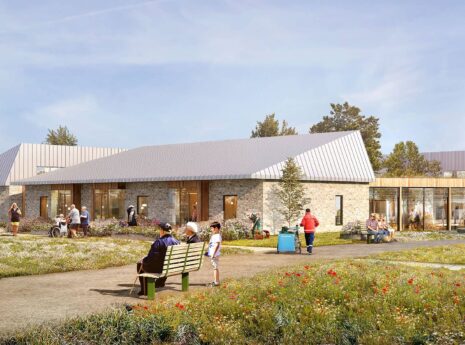
Between 2015 and 2050, the proportion of the world’s population over 60 years will nearly double. People worldwide are living longer leading to a shift in distribution of a country’s population towards older ages. Read more
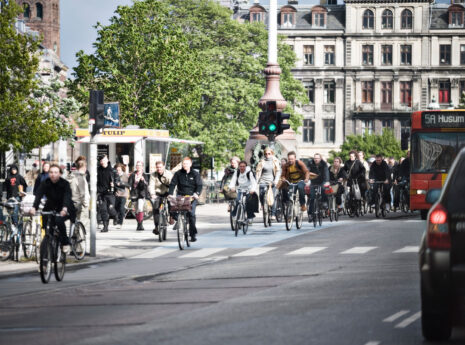
Motorised vehicles, moving or parked, currently take up 50 to 70% of the public space in European cities. Several cities across Europe are exploring changes in design strategies to improve their residents’ quality of life. Read more
To become resilient special measures to ready our environments and communities need to be taken. A hazard rarely strikes alone. Resilience refers to the ability of systems to be robust and adaptable to changing conditions. It´s about short-term adaptation and long-term transition. Experts share insights on steps towards resilience – going from reactive to proactive. Read more
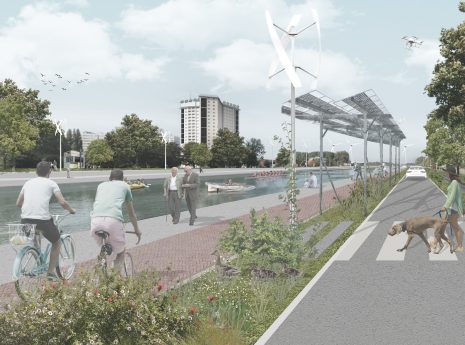
The world is changing. Extremes are the order of the day. It is either too wet or too dry, too hot or too cold. Raw materials and energy are scarce, and we lose dozens of square miles of valuable nature every day. We need to embrace them. This means going back to the basis, to our origin. Being self-sufficient is closer than ever. Read more
Manage Cookie Consent
We use cookies to optimize our website and our services. For our policies, please visit our Cookie Policy
Functional
Always active
The technical storage or access is strictly necessary for the legitimate purpose of enabling the use of a specific service explicitly requested by the subscriber or user, or for the sole purpose of carrying out the transmission of a communication over an electronic communications network.
Preferences
The technical storage or access is necessary for the legitimate purpose of storing preferences that are not requested by the subscriber or user.
Statistics
The technical storage or access that is used exclusively for statistical purposes.The technical storage or access that is used exclusively for anonymous statistical purposes. Without a subpoena, voluntary compliance on the part of your Internet Service Provider, or additional records from a third party, information stored or retrieved for this purpose alone cannot usually be used to identify you.
Marketing
The technical storage or access is required to create user profiles to send advertising, or to track the user on a website or across several websites for similar marketing purposes.