Biodiversity in practice: From loss to gain
Between 2025 and 2040, investments in European infrastructure are expected to reach around €9 trillion. Across Europe, public and private actors are taking the lead in protecting and restoring biodiversity. Featuring 14 innovative projects, this report offers practical guidance for scaling up a biodiversity and turn awareness into coordinated, nature-enhancing action on how to integrate nature into new energy, transport, water and building projects.
Sweco’s new Urban Insight report, ‘Biodiversity in practice: From loss to gain’, shows how the built environment, from roads and tramways to energy and water infrastructure and urban projects, can be designed with nature in mind, integrating biodiversity from planning and design, and through into every development decision.
The UN Global Biodiversity Framework (GBF) and targets agreed in Kunming-Montreal in 2022 aim to halt biodiversity loss by 2030.
Specific targets under the GBF include, for example, conservation of 30% of land and water areas, as well as restoring 30% of degraded ecosystems.
chance to restore nature. Between 2025 and 2040, investments upgrades in European infrastructure are expected to reach around €9 trillion.
From awareness to action
The UN Global Biodiversity Framework (GBF) and targets agreed in Kunming-Montreal in 2022 aim to halt biodiversity loss by 2030. Additionally, the EU Biodiversity Strategy for 2030, the Nature Restoration Law and the EU Taxonomy together provide an important policy and regulatory framework for ecosystem protection and restoration.
Integrating nature into the built environment, infrastructure and construction projects is essential to meet 2030 biodiversity targets and growing financial and regulatory requirements.
The report demonstrates that when biodiversity is prioritised from the start of a project. Early ecological input, cross-sector collaboration and nature-inclusive design turn awareness into coordinated, nature-enhancing action.
Knowledge of nature is a key part of sustainable design and development. Optimising nature inventories is the first step. Ensuring a thorough understanding of species, habitats and ecological interactions allows developers to take the actions needed. Once reliable data is in place, it is crucial to measure biodiversity from loss to gain. During the design phase, innovative solutions can be incorporated to avoid, minimise harm and enhance biodiversity.
What’s inside the report?
- 14 scalable projects with innovative solutions for every stage of development, highlighting biodiversity solutions from the transport, energy, water and urban development sectors.
- Practical design principles and methods for integrating biodiversity into decision-making processes.
- The right tools make biodiversity assessments more precise and efficient. Demonstrating how to measure what matters using nature tech and smart tools.
- Clear guidance for project owners on measuring and delivering biodiversity from loss to net gain, including nature inventories, measurements and implementation.
Some of the 14 innovative projects featured in the report include:
Avoiding biodiversity loss and reducing costs in road construction
Avoiding loss of biodiversity and reducing the costs of road construction, Norway: Reusing existing road corridors and protecting peatlands reduces costs, emissions and habitat disturbance.
The ability to work multidisciplinary is crucial for reducing negative impacts on biodiversity and the environment, with the biggest gains often achieved in the early project stages. This comprehensive approach enables us to deliver optimal value for road users, society and the future.
Stian Blindheim, project manager E18 Kragerø-Bamble, Nye Veier

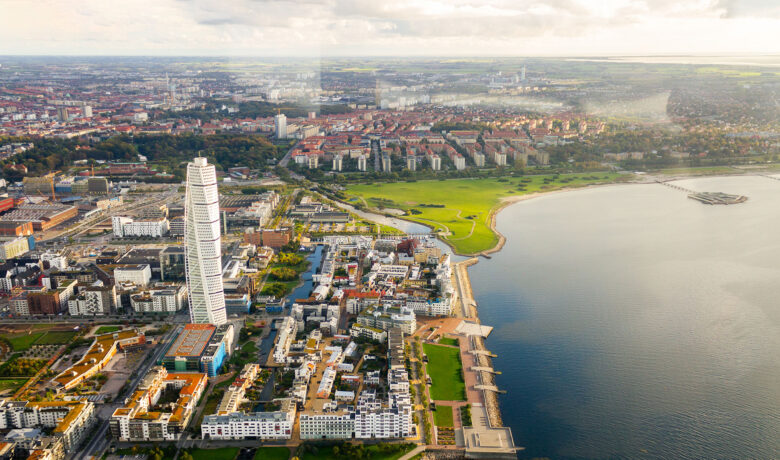
A future-proof city with coastal protection for people and nature
Coastal protection, Sweden: Nature-based solutions such as wetlands and artificial reefs boost biodiversity and climate resilience. The city identified a need for coastal protection outside its harbour to reduce storm impacts expected to increase with rising sea levels. It sought solutions that minimise negative effects on marine and coastal environments.
For our organisation, it is not only about conserving nature–but about being part of it. We see nature-based solutions as a way to bring together climate adaptation and coastal protection, recreation, and ecological values.
Pär Svensson, Acting Section Manager, Land Development Division, City of Malmö
A new neighbourhood with a positive contribution to nature
Fælledby, Denmark: A new district on a former landfill creates high-quality local habitats and engages residents. Can a new urban district–built on a former landfill–contribute positively to local biodiversity? Fælledby, an 18-hectare urban development project in Copenhagen, Denmark, aims to do just that by 2030. The strategy focuses on offsetting lost green space by creating higher-quality habitats and fostering citizen engagement.
Biodiversity matters to us because it matters to the people who will live in Fælledby. Our ambition is to create the best possible framework for life to benefit people and nature.
Martin Baltser, Project development director, Fælledby

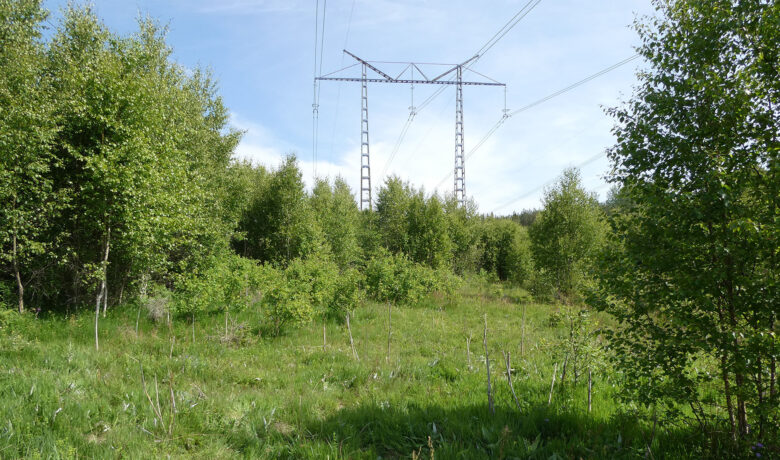
Biodiversity handbook in power line corridors and station areas
The Power Line Biodiversity Handbook, Sweden: Practical tools to help energy operators integrate biodiversity into everyday planning and operations.
This handbook empowers grid operators to make biodiversity a core part of their operations: collaborate, map high-value nature with GIS, manage corridors as habitats, and document progress to meet environmental objectives and international frameworks.
Eva Grusell, Ecologist, Sweco
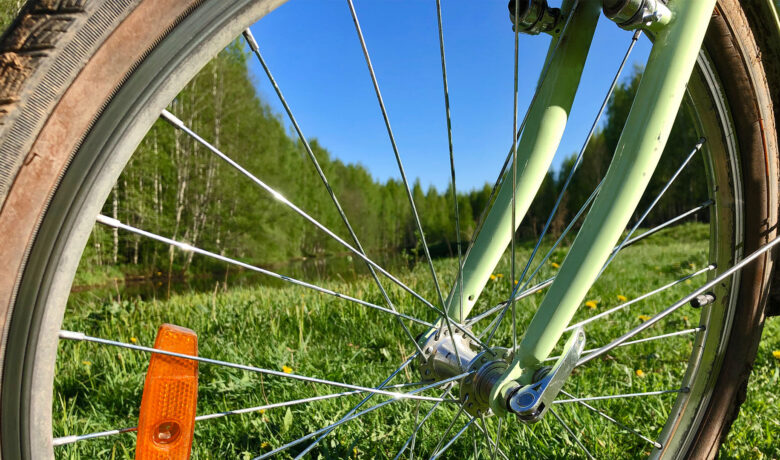
Minimising biodiversity loss and use of virgin raw materials in a cycling highway
Kolenspoor Cycling Highway, Belgium: Adaptive lighting, eco-tunnels and recycled materials decrease species impact while revitalising regional mobility. Preparing the cycling highway required avoiding negative impacts on the sensitive environment.
The biggest challenge lies in realizing infrastructure projects in ecologically sensitive environments, where every step must be carefully weighed to preserve and enhance local biodiversity – while also promoting innovative, sustainable construction solutions wherever possible.
Stijn Van Dingenen, Projectmanager, Limburg
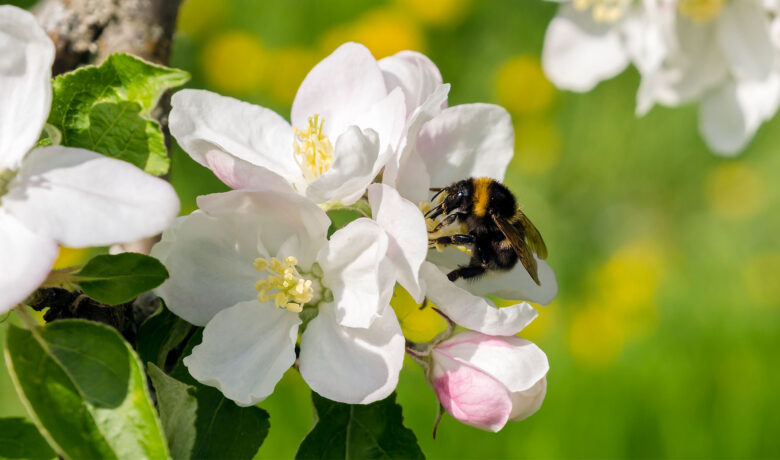
Revolutionising biodiversity research with a little help from bees and eDNA
An innovative project in Finland is using bees for eDNA-based research. The bees return not only with pollen but also with plant eDNA from their foraging trips. By analysing this pollen using eDNA technology, experts can determine which plants the bees visit and assess how tramway construction impacts local vegetation and the bees’ habitats.
The importance of urban greening becomes more prominent with future challenges such as heatwaves and flood forecasting. Having bees collect undeniably accurate environmental data contributes to our mission to further improve environmental management and the resilience of urban areas.
Jyrki Lehtimäki, Urban green expert at Tampere city
Urban Insight is an international knowledge initiative where Sweco brings experts together to develop solutions on how to plan and design sustainable and resilient cities and societies. Our insight reports, based on data, facts and expert knowledge, provide the latest solutions and methods for sustainable urban development. The initiative has featured various annual themes, andthis year’s theme is “Biodiversity” focusing on biodiversity in decision making and in development.
Drawn on our collective experience from developing solutions together with our clients the aim was to produce a report that offers practical guidance for public and private development actors and outlines how to address biodiversity with effective and coordinated action.
The latest Urban Insight report also presents nine other practical solutions and guidance for project owners, including design principles and methods for integrating biodiversity into decision-making. Using recent client projects in energy, transport, industry and buildings across Europe, the report explains how construction companies, property and real estate developers and their clients can incorporate biodiversity into upcoming infrastructure development projects.
Explore more solutions in the report.
