Strengthening Europe through responsible mining and global cooperation
By Tove Adolfo Lilja
The green transition requires rare minerals, placing high demands on responsible mining, where processing is carried out in a sustainable and equitable manner.
The green transition is well underway. The electrification of transport, the expansion of renewable energy and digitalisation are crucial to achieving climate targets. But behind wind turbines, electric vehicles and battery storage lies an often-overlooked prerequisite: minerals and metals.
Lithium, copper, nickel, cobalt and rare earth elements are all essential to the technologies needed to reduce emissions. Demand for these raw materials is increasing rapidly. According to international assessments, demand for certain critical minerals could increase several-fold by 2040.
How can we ensure that mining and mineral processing are carried out in a sustainable and equitable way?
Mining can never be entirely impact-free, but with the right planning, technology and governance, impacts can be minimised and the benefits to society and local communities increased.
“If the global transition is to succeed, it is not enough to develop more sustainable mining in Europe. Our focus must also be on contributing to a more sustainable mining industry worldwide”
Europe and Sweden have a strategic responsibility going forward
As Europe seeks to reduce its dependence on imported raw materials and strengthen security of supply, interest in domestic mining and mineral production has grown.
Sweden has favourable geological conditions and a long mining tradition, as well as high environmental and sustainability ambitions. This creates both opportunities and demands.
Maintaining public confidence requires transparent and legally sound processes, early dialogue with affected stakeholders and robust environmental assessments. Responsible mining is therefore an important prerequisite for ensuring that the supply of minerals can contribute to the green transition.
Sweden’s knowledge base can be shared through international cooperation
At the same time, Sweden has a strong knowledge base for conducting mining operations safely, efficiently and responsibly. Through leading mining companies, technology suppliers and a long tradition of innovation, Sweden has developed expertise that is also relevant globally.
This knowledge is not merely a national asset—it is a strategic resource that should be shared.
If the global transition is to succeed, it is not enough to develop more sustainable mining in Europe. Our focus must also be on contributing to a more sustainable mining industry worldwide.
By sharing expertise, technology and methods through mutually beneficial partnerships, Sweden can help create the conditions for reduced environmental impact, improved working conditions and greater resource efficiency, based on local circumstances and regulatory frameworks.
In this way, we can also strengthen Europe’s long-term competitiveness.
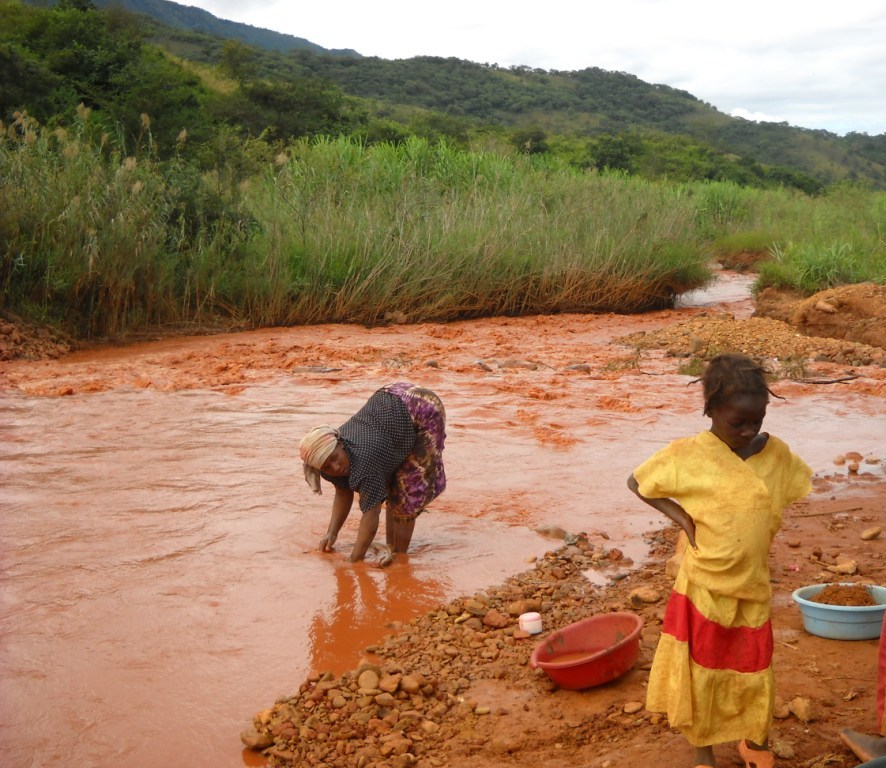
River mining in southern Africa.
One example is the potential for deeper cooperation with countries that possess abundant mineral and metal resources critical to the digital and green transitions, and that wish to develop capacity in areas such as legislation, supervision, technology and expertise.
This applies particularly to countries that have already established cooperation with the EU or have been prioritised as partner countries by the EU.
Such partnerships could become an important lever for both sustainable development and the global transition to a low-carbon economy.
Technology, innovation and a systems perspective
New technology plays a crucial role. Digitalisation and automation can reduce energy consumption, waste and risks.
At the same time, mining projects need to be viewed from a broader systems perspective, in which transport, energy supply, water management and circularity are interconnected.
Recycling and urban mining are important parts of the solution, but they will not, on their own, meet the rapidly growing demand. Therefore, both increased recycling and new material extraction are needed. Where new extraction is deemed feasible, it should be designed with consideration for the environment, local communities and other affected interests.
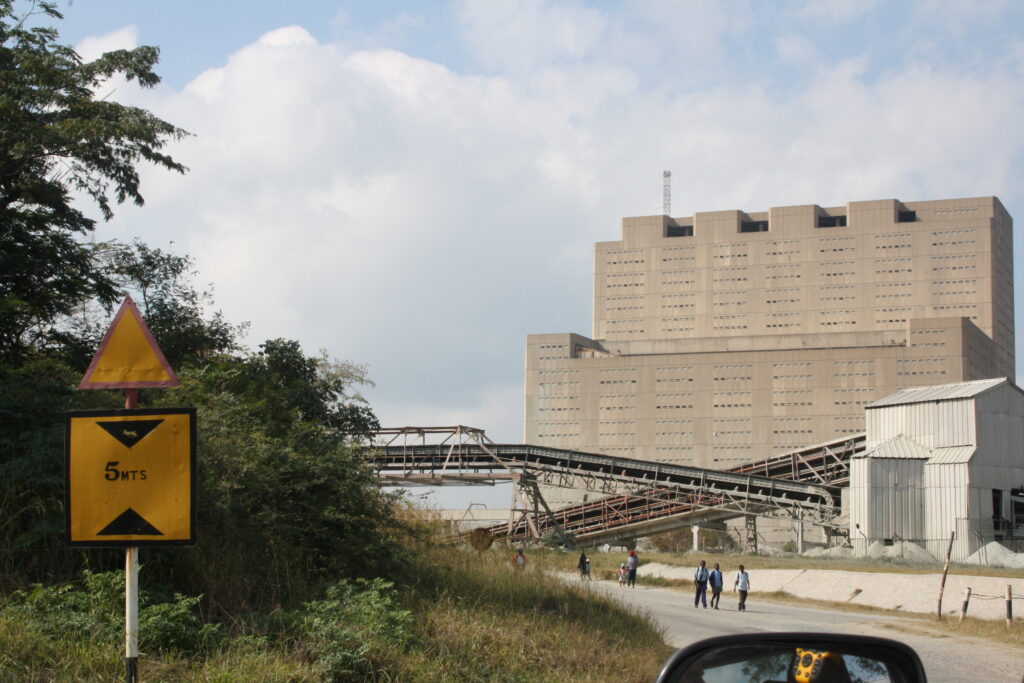
Asbestos mine in southern Africa.
A balancing act – necessary but challenging
The green transition is not possible without minerals, but neither is it sustainable without responsibility.
Ultimately, responsible mining is about balancing global climate targets with local environmental and societal interests. This is a complex challenge.
Responsible mining requires broad expertise and close cooperation between technology, the environment, society and governance. It involves understanding the entire chain—from geology and processes to permits, impacts and long-term management—and being able to weigh different interests against one another wisely.
With the right knowledge, analysis and dialogue, we can work together to create better conditions for the mining industry of the future and thereby contribute to a sustainable and responsible green transition.