Why the timing of water investment matters
Published on: November 3, 2026
Targeted renewal and better use of operating data can improve the performance of water infrastructure. Projects in the Netherlands, Germany and Sweden illustrate how utilities can identify where intervention will bring the greatest benefit for energy use and reliable service.
Ageing water infrastructure is placing increasing demands on investment budgets across Europe. According to Sweco’s Urban Insight report Transforming Europe’s water infrastructure, the European Commission estimates the annual investment gap in the EU water sector at around EUR 23 billion. Utilities face difficult choices about which improvements to make first.
The timing of intervention matters as much as its scale. Acting too late can increase the need for emergency repairs and expose communities to service disruption. Replacing assets too early can tie up funding that is needed elsewhere. A lifecycle perspective helps utilities compare the initial cost of an intervention with its future operating and maintenance requirements across the whole system, providing a stronger basis for deciding how to use limited investment budgets over time.
Those choices require a clear picture of how existing assets perform and what would happen if they failed. Assessing condition alongside the role of an asset in the wider network can help utilities target renewal. Operational data can also reveal where a change to equipment or process control could improve performance before a larger expansion is needed.
Spijkenisse targets renewal where it is needed
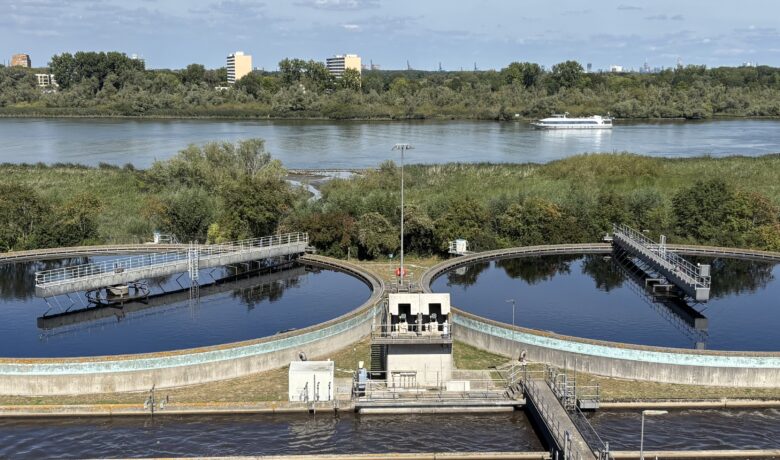
Dutch water authority Waterschap Hollandse Delta used asset lifecycle management to assess the condition and future requirements of its wastewater treatment facilities. The assessment identified six plants in the southern part of its region that required renovation.
At Spijkenisse, Sweco supports project control and the technical design of the upgrade. Ageing components and critical systems will be renewed, while parts that remain in good condition will be retained. The design considers expected wastewater flows for 2030 and allows for potential additional inflow from a nearby plant. This approach links renewal decisions to both current condition and future capacity needs.
Setterich tests improvements through process simulation
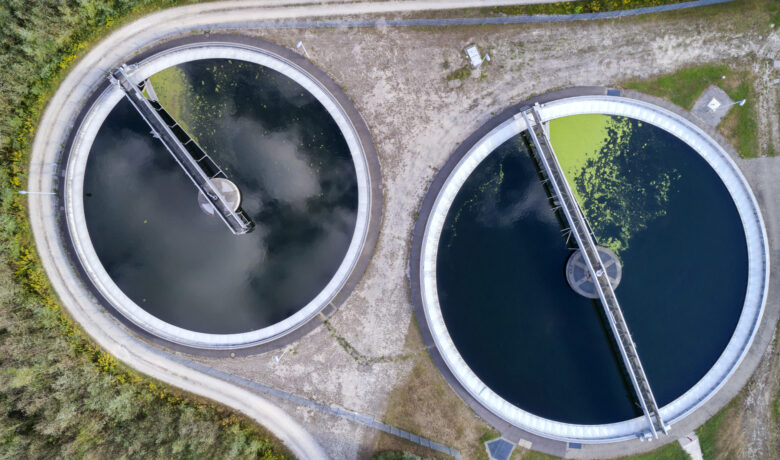
The Setterich treatment plant in Germany operates close to its capacity limits, with further population growth expected. Sweco assessed short-term measures and future options using mathematical models that simulate how treatment processes respond to changes in incoming wastewater.
The analysis showed that additional sensors and changes to the control strategy could significantly improve treatment performance with limited investment, particularly when handling peaks in ammonia loads. The model also supports assessment of future scenarios, helping the operator decide whether to expand the plant or divert treatment to another facility.
Värnamo identifies inefficient pumping stations
Värnamo municipality in Sweden has implemented Sweco’s Smart Water Home platform to monitor pumping station performance. The platform combines operational readings with energy data, making it possible to compare efficiency across the municipality’s assets.
Several years of historical data support the detection of unusual performance and longer-term trends. The work has already identified pumping stations that use energy less efficiently than comparable assets. That information helps the municipality target maintenance and prioritise investment. It also provides a basis for checking how performance changes over time as measures are introduced.
Read more: Transforming water management with innovation and technology
Monheim and Ratingen improve treatment energy efficiency
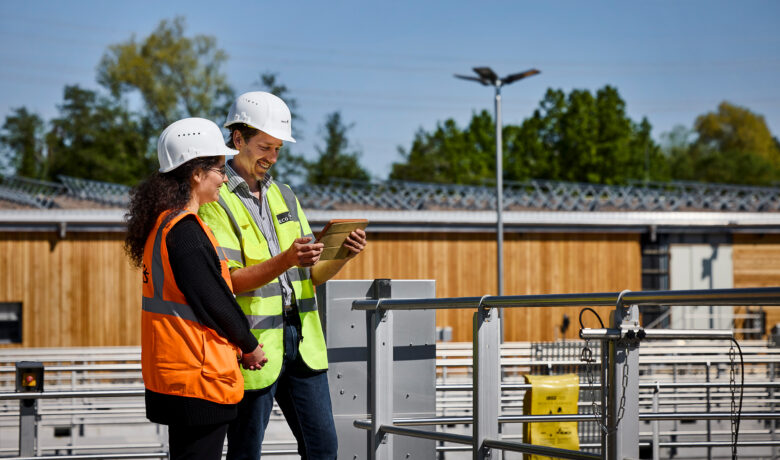
At the Monheim and Ratingen wastewater treatment plants in Germany, ageing aeration equipment has reached the end of its economic service life. Sweco is planning replacement systems alongside a redesign of the biological treatment processes.
The upgrades include new compressors and aeration elements, supported by modern measurement and monitoring. Future aeration will respond to treatment demand, and the renewed systems are expected to deliver significant energy savings. Integrating energy performance into the renewal work allows the operators to address ageing equipment and operating efficiency within the same project.
A practical starting point is to connect information from day-to-day operations with long-term investment planning. Utilities can then compare targeted repairs and control improvements with larger renewal options, considering how each choice affects resource use and service reliability over the life of the system.