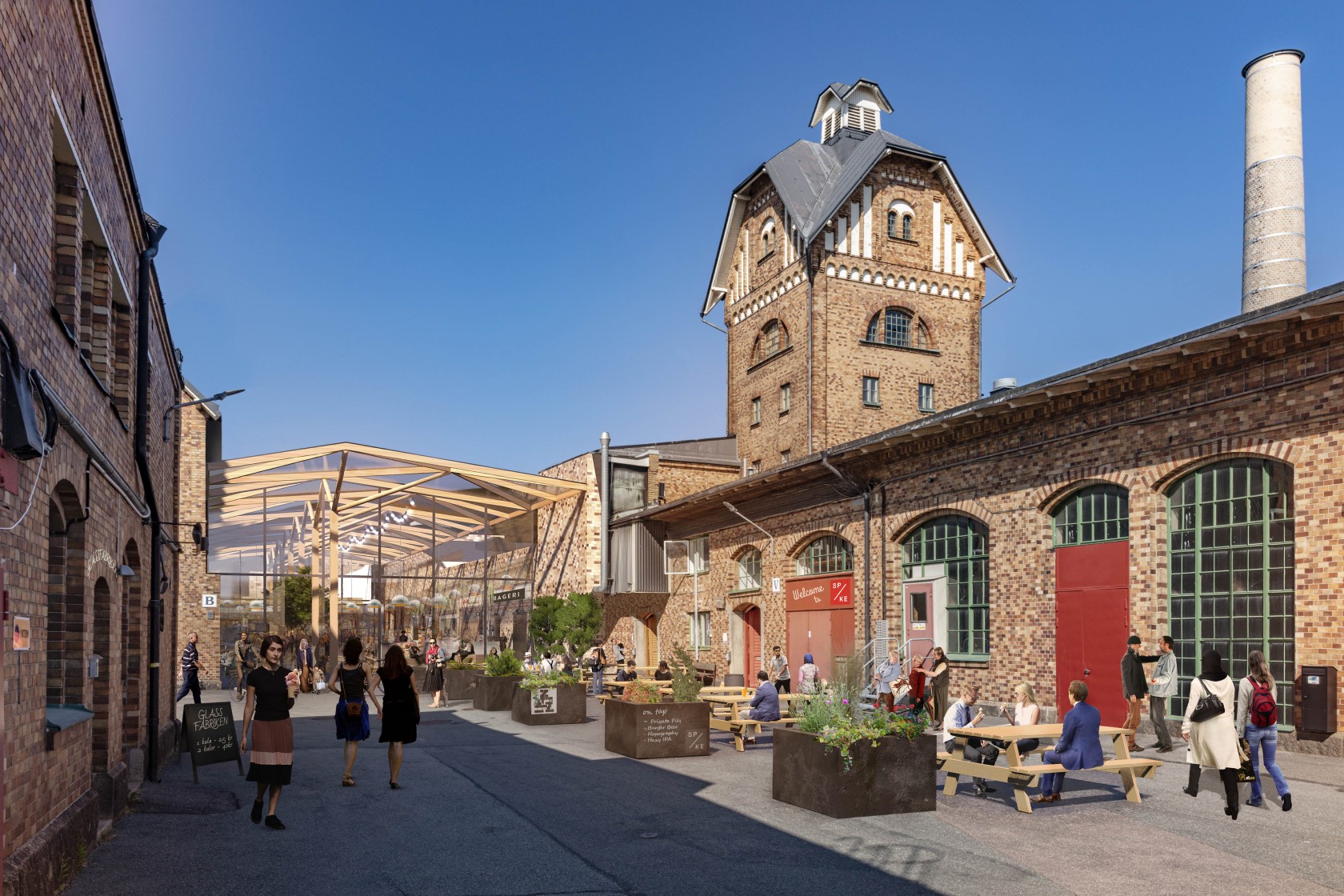
Transformation of a historic cultural area
Gothenburg slaughterhouse district
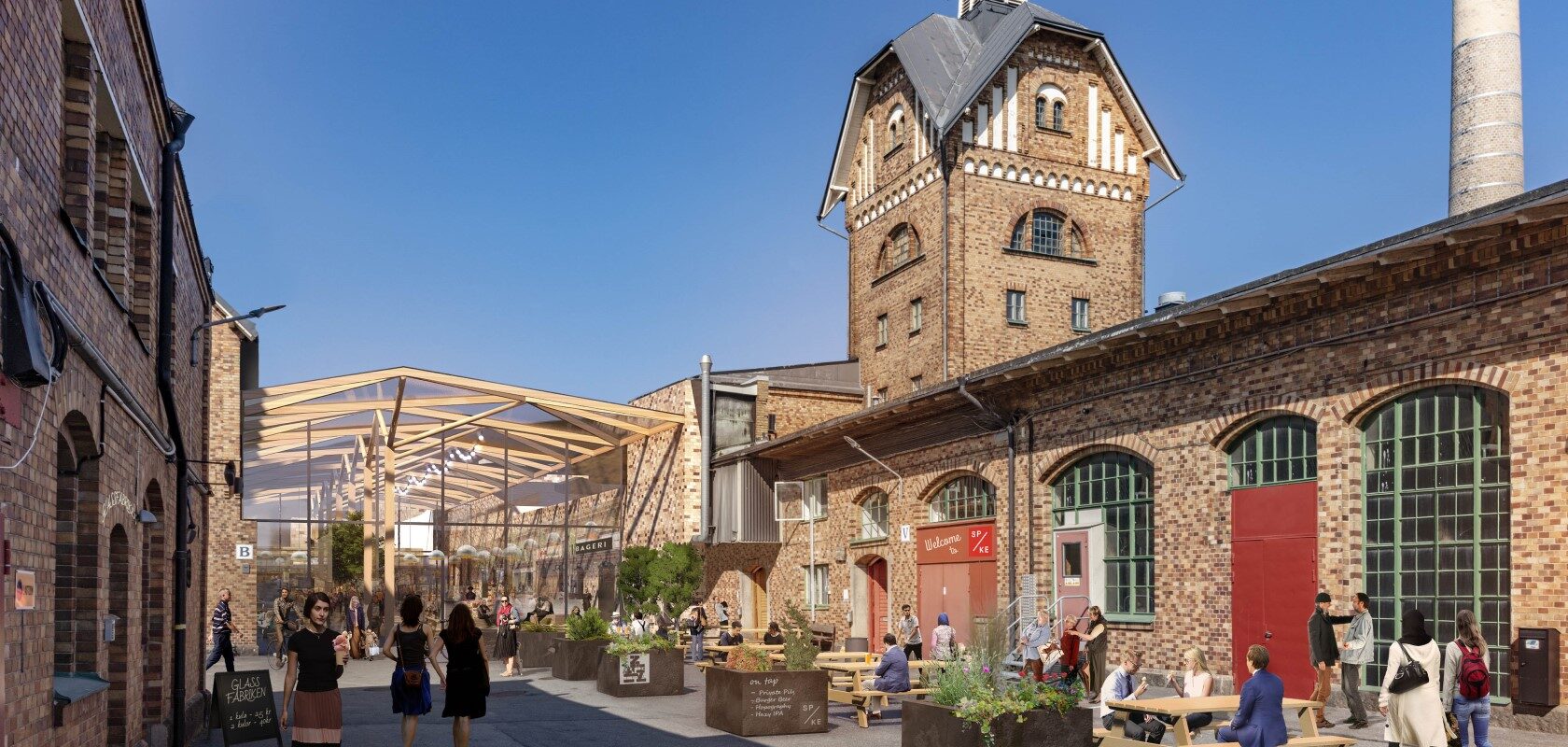
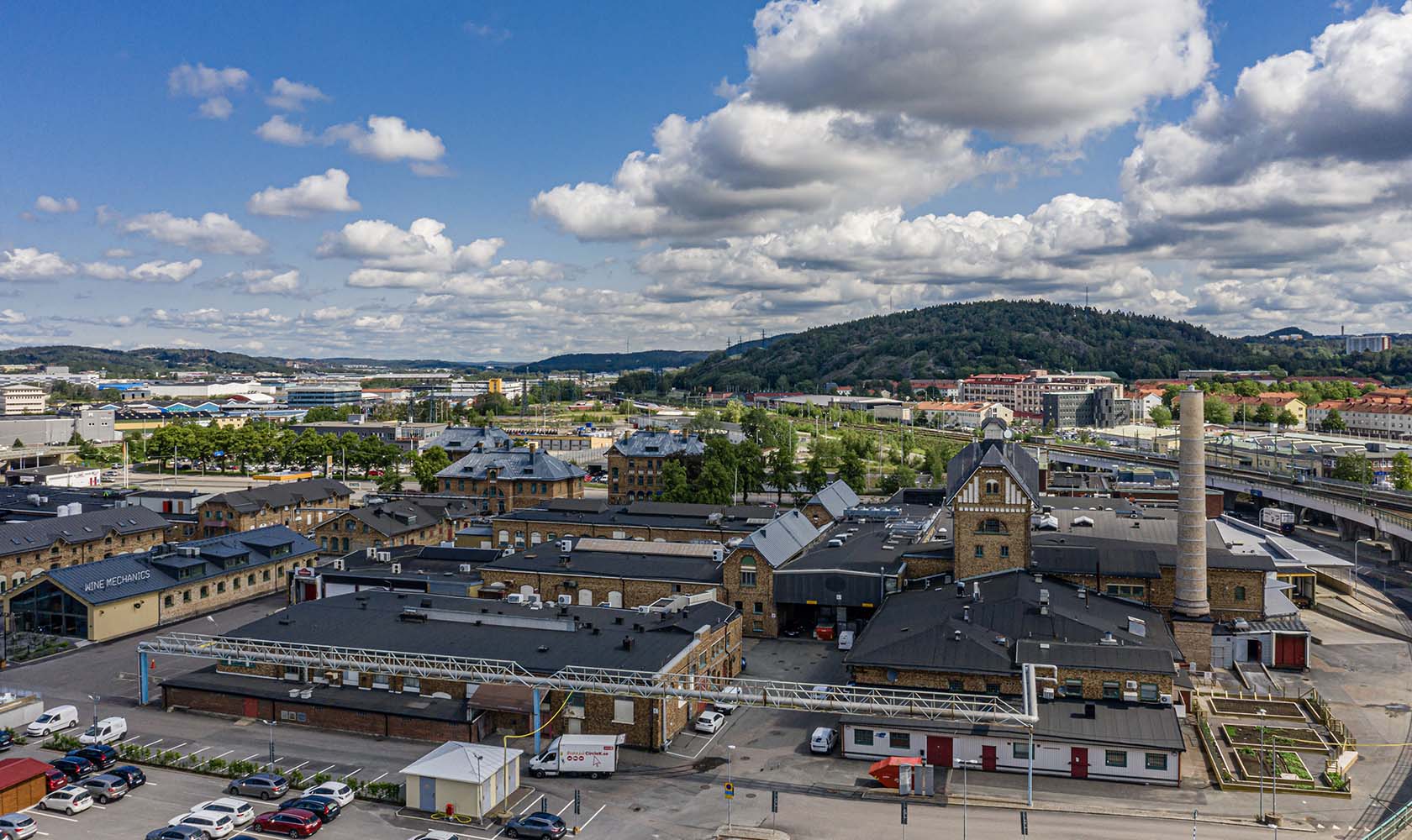
The old slaughterhouse district, a rundown industrial area in Gothenburg on the Swedish west coast, is being transformed into a creative neighbourhood focused on food and food production. With respect for the historic cultural environment, the older buildings are being given new life, infrastructure is being upgraded and made more resilient. There are also plans for new developments in the form of offices, with the possibility of housing for young adults and hotels.
Facts about the project
Client
Higab
Place
Gothenburg, Sweden
Status
Ongoing
Images
Alina Scheutzow Lundborg, Aron Swartz, Jenny Ström Hansson, Miriam Hermansson, Oscar Mattsson, Sweco
Carefully renovated buildings create new destination for food and culture
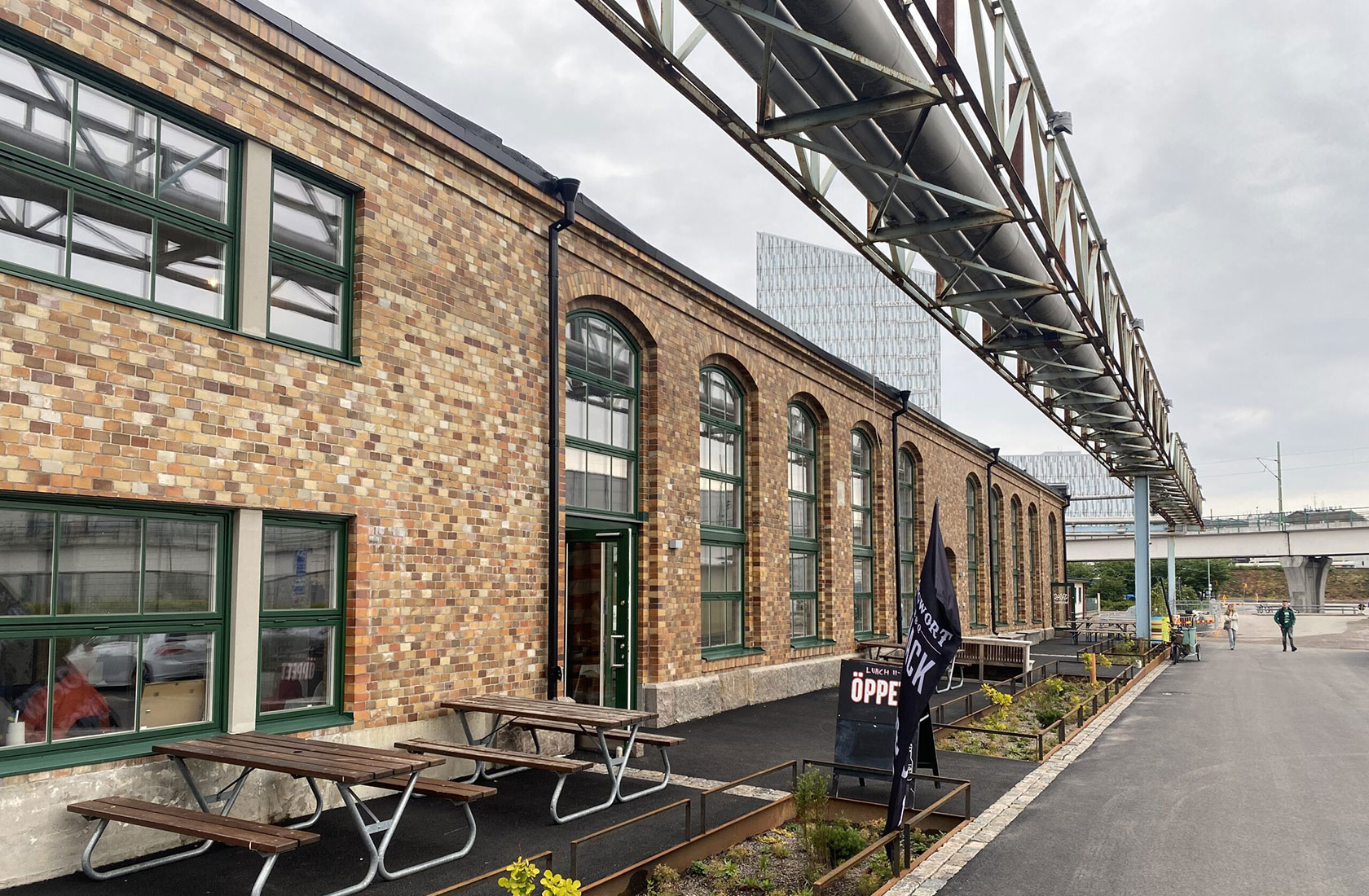
While a long-term vision and detailed development plan are in progress for the area, many initiatives for upgrading are already underway. The old buildings are being carefully renovated and adapted to the new tenants’ businesses. In the premises, existing elements such as visible brick walls, period steel columns, high ceilings, and lanterns have been preserved and become prominent features in the transformed buildings. Cobblestones, bricks, and characteristic building elements have been reused where possible, contributing to the area’s genuine character.
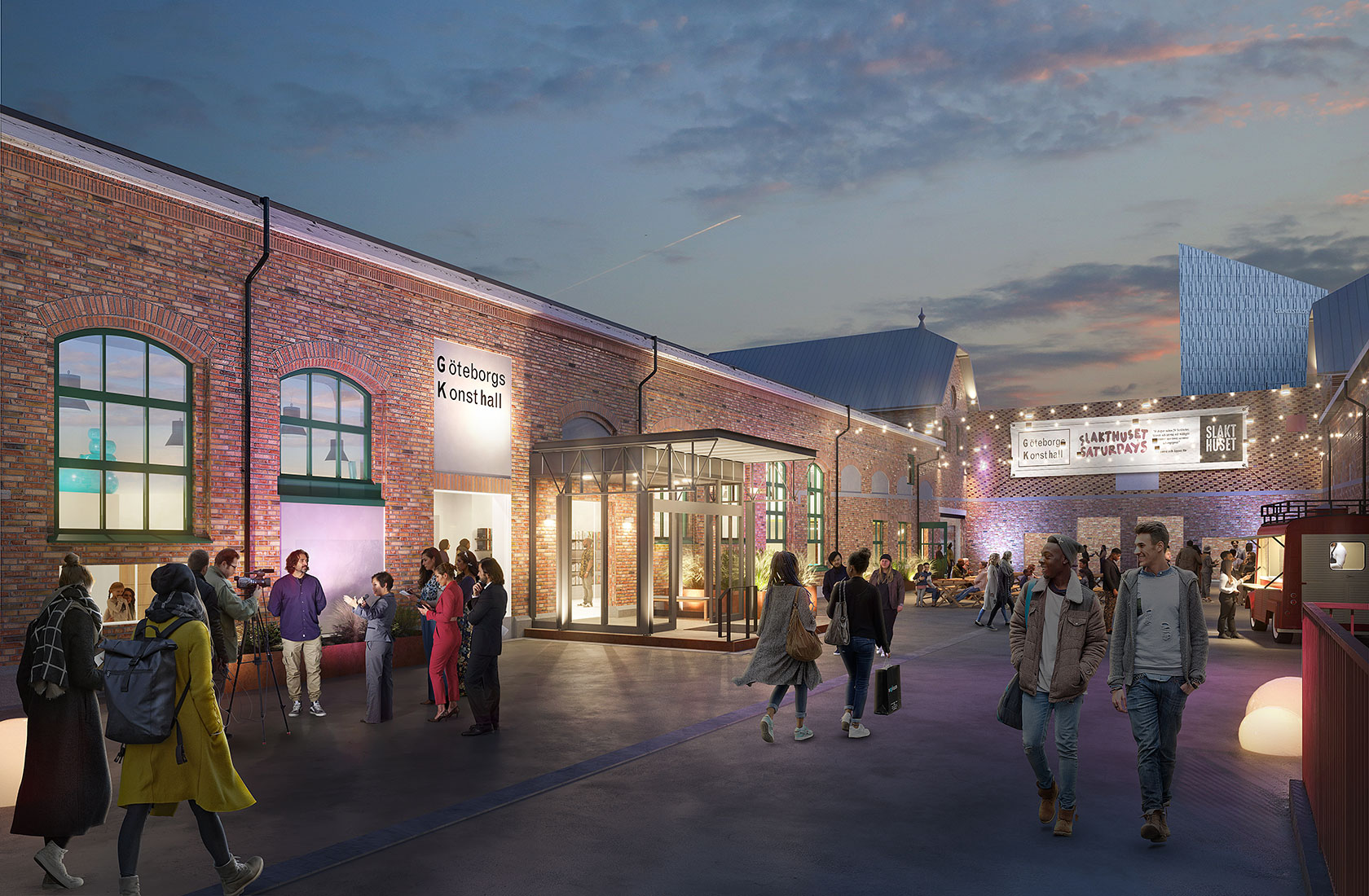
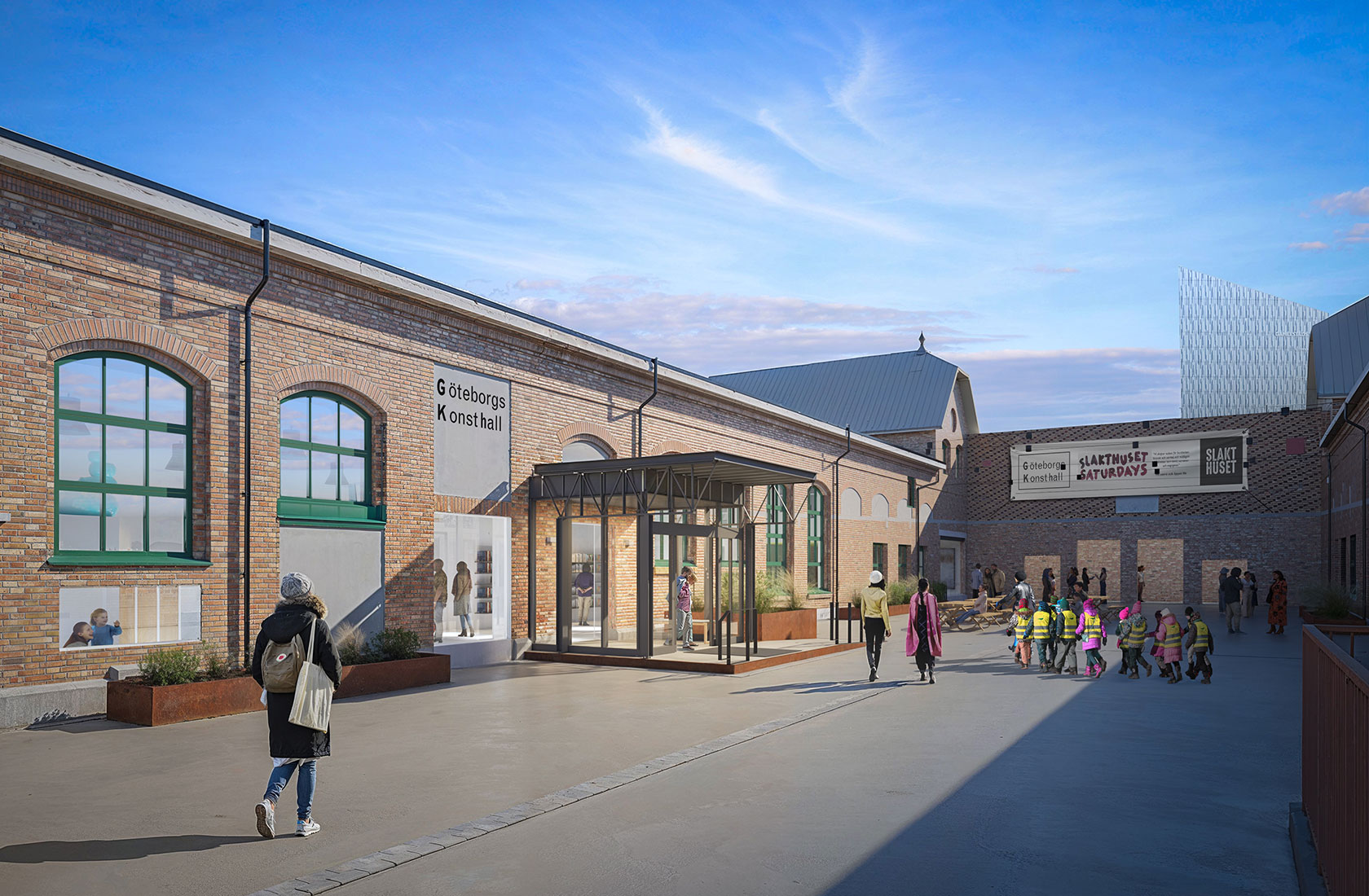
Great care has been taken in the selection of tenants; for example, there is a brewery, a coffee roastery with a cafe and soap and honey production. A former parking lot has been replaced with a restaurant with a large outdoor seating area and a spot for grilling. With the addition of Gothenburg Art Gallery in 2026, the area will further establish itself as a new cultural destination.
Good conditions for continued future development
The long-term vision includes action plans for the development and management of the area. For parts of the area owned by the property company Higab, there are plans for 50,000 sqm of new construction in the form of offices and the possibility of housing for young adults and hotels, as well as upgrades to historic cultural buildings. The infrastructure in the area has been neglected for some time, therefore extensive investments have been made to improve it. It has been important to find solutions that meet future requirements for handling stormwater and heavy rain, while also meeting the future development plans.
The original Gothenburg Slaughterhouse was inaugurated in 1905 by Swedish King Oscar II and designed by architect Otto Dymling.
In collaboration with MinnyMind Architects.
Read more about Sweco’s offer within transformation architecture.