
Financial definitions and calculation methods
Sweco uses a range of established financial definitions and calculation methods to ensure accurate, transparent, and comparable reporting. This glossary provides clear explanations of how key figures are defined and calculated, supporting reliable analysis and understanding of Sweco’s financial performance.
Sweco’s financial glossary
Acquisition-driven growth
Growth in net sales in local currencies, based on acquired businesses.
Acquisition-related items
Amortisation and impairment of goodwill and acquisition-related intangible assets, revaluation of additional purchase price, and profit and loss on the divestment of companies, operations, buildings and land, as well as expensed costs for future service.
Adjusted dividend
The dividend adjusted for issues and splits.
Billing ratio
Billable hours in relation to total hours of attendance for all employees.
Capital employed
Total assets less interest-free current and non-current liabilities and deferred tax liabilities.
Cash flow per share
Cash flow for the period divided by the average number of shares outstanding (excluding treasury shares).
Debt/equity ratio
Interest-bearing liabilities excluding leasing liabilities in relation to shareholders’ equity.
Dividend yield
The year’s dividend per share in relation to the closing price for the Sweco class B share.
EBITA
Earnings before Interest, Taxes and Acquisition-related items, under which all leases are treated as operating leases whereby the total cost of the lease affects EBITA.
EBITA margin
EBITA in relation to Net sales.
EBITDA
Earnings before Interest, Taxes, Depreciation & amortisation and Acquisition-related items, under which all leases are treated as operating leases whereby the total cost of the lease affects EBITDA
EBITDA margin
EBITDA in relation to Net sales.
Earnings per share
Profit for the period attributable to owners of the Parent Company divided by the average number of shares outstanding (excluding treasury shares).
Employee turnover rate
The number of employees who left the Group during the year in relation to the average number of employees.
Equity/assets ratio
Shareholders’ equity in relation to total assets.
Equity per share
Equity attributable to owners of the Parent Company divided by the number of shares outstanding (excluding treasury shares) at the end of the period.
Extraordinary items
Consists of extraordinary transaction, integration and restructuring costs of acquired operations.
Growth, currency effects
Effect of exchange rate changes on net sales growth.
IAS
International Accounting Standards.
IFRS
International Financial Reporting Standards.
Interest coverage ratio
Profit after net financial items under which all leases are treated as operating leases plus financial expenses excluding interest cost of leasing divided by financial expenses excluding interest cost of leasing.
Market capitalisation
The year’s closing price for the Sweco class A and class B share multiplied by the number of shares outstanding in each class.
Net debt
Financial debt (comprised almost exclusively of interest-bearing bank debt) less cash and cash equivalents and short-term investments. Lease liabilities are excluded from net debt.
Net debt/EBITDA
Net debt divided by EBITDA.
Net debt/equity ratio
Net debt divided by shareholders’ equity.
Normal working hours
The potential number of hours, according to the calendar, that a full-time employee could work if he/she is not absent and does not work overtime.
Number of employees
Number of individuals employed at the end of the period.
Number of full-time employees (FTEs)
Hours of attendance plus hours of absence (excluding long-term absence) divided by normal working hours.
OMXS
The Stockholm Stock Exchange’s OMXS Index includes all the shares listed on the Stockholm Stock Exchange. The aim of the index is to reflect the current status and changes in the market. For more information about the index, please visit www.stockholmsborsen.se.
Operating margin
Operating profit (EBIT) in relation to net sales.
Operating profit (EBIT)
Profit before net financial items and tax.
Operating profit per employee
Operating profit (EBIT) divided by the number of full-time employees.
Organic growth
Growth of net sales in local currencies, excluding the impact of acquisitions and divestments.
Organic growth adjusted for calendar
Growth of net sales in local currencies, excluding the impact of acquisitions and divestments and excluding calendar effect.
Profit margin
Profit before tax in relation to net sales.
Return on capital employed
Profit after net financial items plus financial expenses in relation to average capital employed.
Return on equity
Profit for the period attributable to owners of the Parent Company in relation to average equity attributable to owners of the Parent Company.
Return on total assets
Profit after net financial items plus financial expenses in relation to average total assets.
Share price
The share price is a reflection of the trading in Sweco’s two share series, A and B, quoted on the Stockholm Stock Exchange.
SIX Return Index – SIXRX.SE
The SIX Return Index is a market capitalisation index designed to measure market equity performance in Sweden. The index is calculated with reinvested dividends as of the ex-dates. For more information about the index, please click here
Total return
Total return is a measure of the price trend of Sweco’s shares.
The total return measure consists of reinvested dividends added to the share price value. Total return, for a given period, is defined as share price performance including the value of all reinvested dividends. The dividend is calculated as reinvested as from the day the share is traded exclusive the right to the dividend (xd date). Total return is presented in per cent and SEK.
Total shareholder return
Share price performance including reinvested dividends.
Unadjusted dividend
The dividend’s value at the time it was disbursed; i.e., not adjusted for issues or splits.
Value added per employee
Operating profit plus personnel costs divided by the full-time equivalents.
Contact
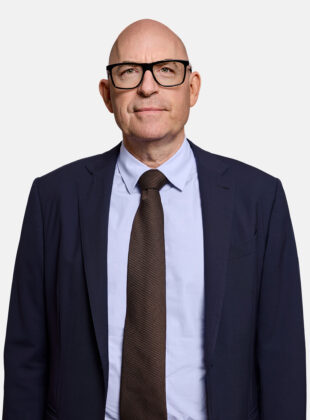
Jan Allde
Chief Financial Officer
Katarina Rave
Find out more

Financial reports and presentations
Access Sweco’s financial reports and presentations for insights into performance and strategy.

The Sweco share
Explore key information about the Sweco share, from performance to ownership.
Financial targets and results
Review Sweco’s financial targets and how performance develops over time.