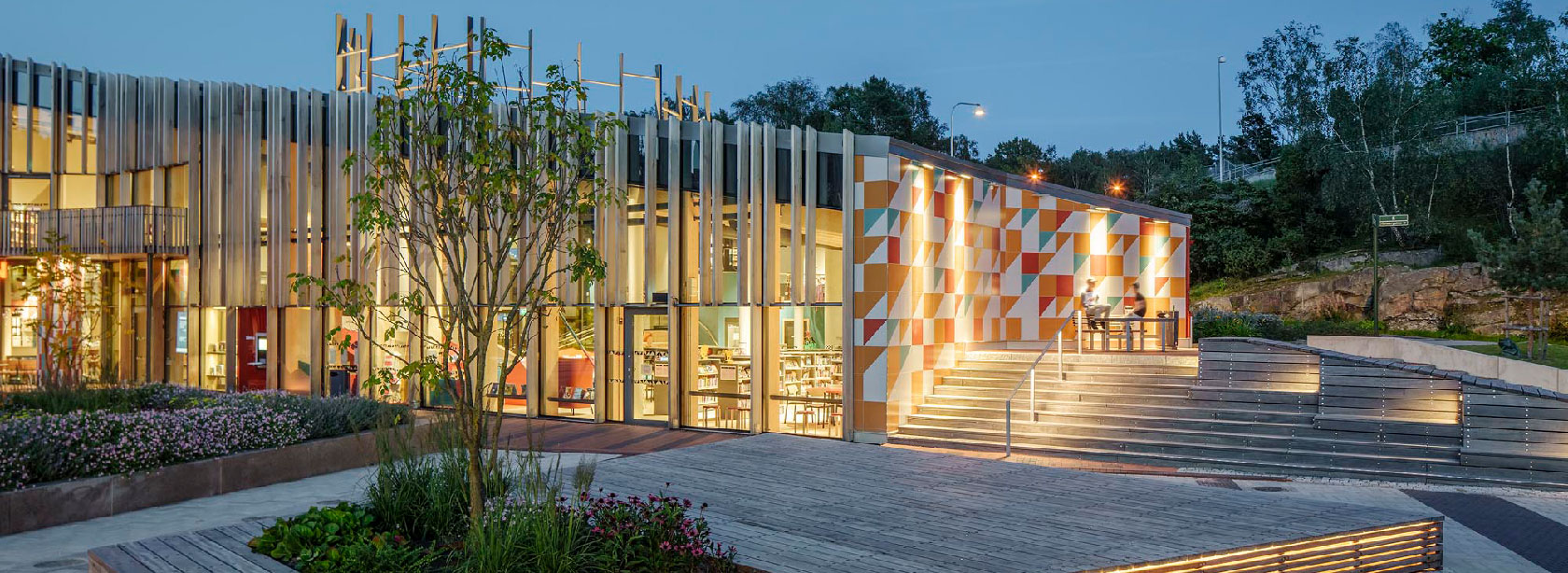
Cultural architecture
Architecture for culture, connection and community
Cultural spaces are where communities gather to express, question and share what matters to them. They carry stories, ideas and experiences, while creating room for encounters between people, perspectives and generations. From libraries and museums to theatres, concert halls and places of worship, cultural buildings can inspire curiosity, strengthen belonging and shape how we understand both ourselves and the world around us.
Sweco creates cultural environments that invite people in, bring communities together and support a wide range of activities. Our cultural architecture offer spans urban planning, building and interior architecture, transformation, cultural heritage and landscape architecture. By bringing these disciplines together, we create places that are inclusive, adaptable and rooted in their surroundings.
Cultural architecture that brings people together
A cultural building should be more than a container for activities. It should become part of everyday life—a place to meet, learn, create, experience and simply spend time. We design welcoming environments that encourage participation and make culture accessible to people of all ages and backgrounds. Through careful planning and a strong understanding of context, we create buildings and public spaces that connect naturally with their neighbourhoods.
Our experience in cultural architecture includes libraries, museums, cinemas, theatres, cultural centres, community facilities, religious buildings and other spaces for shared experiences. We develop solutions that can accommodate different users and activities, from quiet reading and focused learning to performances, exhibitions, workshops and social gatherings. Flexibility is therefore central to our approach. Spaces should be able to evolve over time as needs, technologies and patterns of use change.
Reuse, renewal and responsible design
We also have extensive experience in the transformation and reuse of existing buildings. By carefully analysing a building’s history, qualities and potential, we can preserve important architectural and cultural values while introducing new functions and contemporary standards. Reuse can strengthen identity, reduce environmental impact and create meaningful connections between the past and the future. In cultural architecture, this approach helps ensure that existing buildings continue to serve their communities in meaningful ways.
Sustainability is integrated throughout the design process. We consider the entire life cycle of a building, including materials, energy use, adaptability, accessibility and long-term maintenance. Our multidisciplinary teams work closely with clients, users, authorities and local communities, to develop solutions that are both responsible and inspiring.